



Vaping poses significant risks to athletic performance by creating an imbalance between oxygen supply and demand. Contrary to misconceptions that nicotine improves physical output, it restricts vascular function and introduces toxic irritants into the lungs, directly impairing recovery, endurance, and overall pulmonary health.
- Oxygen Deprivation: Nicotine use induces chronic hypoxia and reduces blood oxygen availability during exercise and recovery.
- Toxic Exposure: Aerosols from vaping contain heavy metals, diacetyl, and chemicals linked to cancer and bronchiolitis obliterans.
- Anti-Doping Risks: Professional athletes risk testing positive in anti-doping controls if vaping substances appear on banned substance lists.
Electronic nicotine delivery systems—often marketed as harmless alternatives or performance enhancers—are frequently misunderstood by the athletic community. In reality, these devices deliver aerosols composed of microscopic particles, nicotine, propylene glycol, and vegetable glycerin that damage the respiratory system.
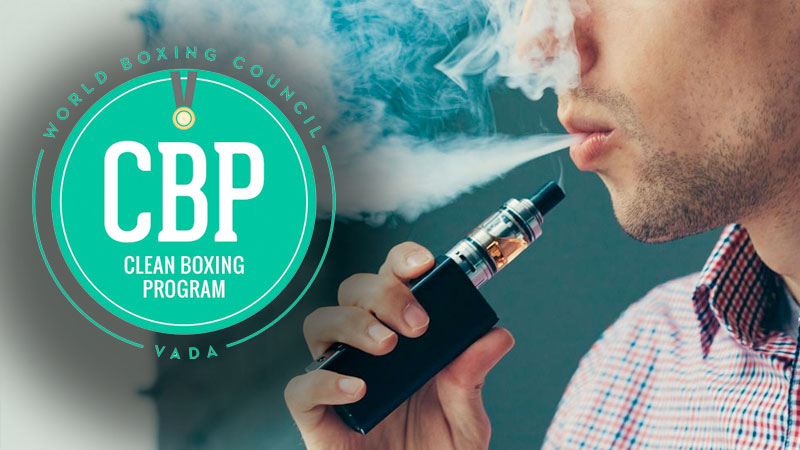
Researchers warn that nicotine triggers a dangerous imbalance between oxygen supply and physical demand. This stress during recovery periods increases the risk of cardiovascular events, including heart attacks. Furthermore, inhaling toxic irritants remains counterproductive to any serious athletic training regimen.
Pulmonary and Physiological Impact
Studies show that e-cigarette aerosols contain carcinogens and flavoring chemicals that compromise lung function. Specifically, diacetyl exposure links directly to bronchiolitis obliterans, a severe pulmonary condition. Additional physiological side effects include:
- Chronic cough and chest pain
- Shortness of breath and reduced oxygen intake
- Delayed wound healing processes
- Unexplained weight loss and fatigue
- Persistent nausea or vomiting
Beyond physical performance, adolescent exposure to nicotine delays brain development. It impairs memory, concentration, learning capabilities, and emotional regulation while creating a cycle of chemical dependency.
Risks for Professional Athletes
For professional athletes, vaping introduces an additional regulatory hazard. If a vaping product contains components found on the World Anti-Doping Agency’s list of prohibited substances, the athlete risks an adverse analytical finding. Testing positive during an anti-doping control can lead to immediate disqualification and professional sanctions.
Frequently Asked Questions
-
Does nicotine improve athletic performance?
No. Research confirms that nicotine leads to an imbalance between oxygen supply and demand, hinders recovery, and increases heart attack risks. Introducing irritants and toxins into the lungs actively reduces physical capacity.
-
Can vaping lead to positive anti-doping tests?
Yes. Professional athletes who use vaping liquids containing substances classified as prohibited by anti-doping authorities face the risk of an adverse analytical finding and subsequent disciplinary action.
-
What is the link between vaping and respiratory disease?
E-cigarette aerosols contain diacetyl, a flavoring chemical associated with bronchiolitis obliterans. Additionally, substances like propylene glycol and vegetable glycerin increase pulmonary irritation, leading to reduced lung capacity and chronic respiratory issues.
Disclaimer: This content is intended for informational purposes for adult smokers and vapers (18+) only. Nicotine is an addictive chemical. Product availability and regulations vary by jurisdiction under local TPD and national laws.

Vape Lifestyle & Advocacy Blogger
Chloe Evans, widely known as "CloudChaser Chloe," is a prominent voice in the global vaping community, celebrated for her vibrant personality and keen focus on the lifestyle aspects of vaping. Based in the creative hub of Portland, Oregon, Chloe's content blends fashion, art, and harm reduction, offering a fresh perspective on the vaping world. She aims to demystify vaping for adult consumers and challenge outdated perceptions, promoting a responsible and enjoyable experience.