




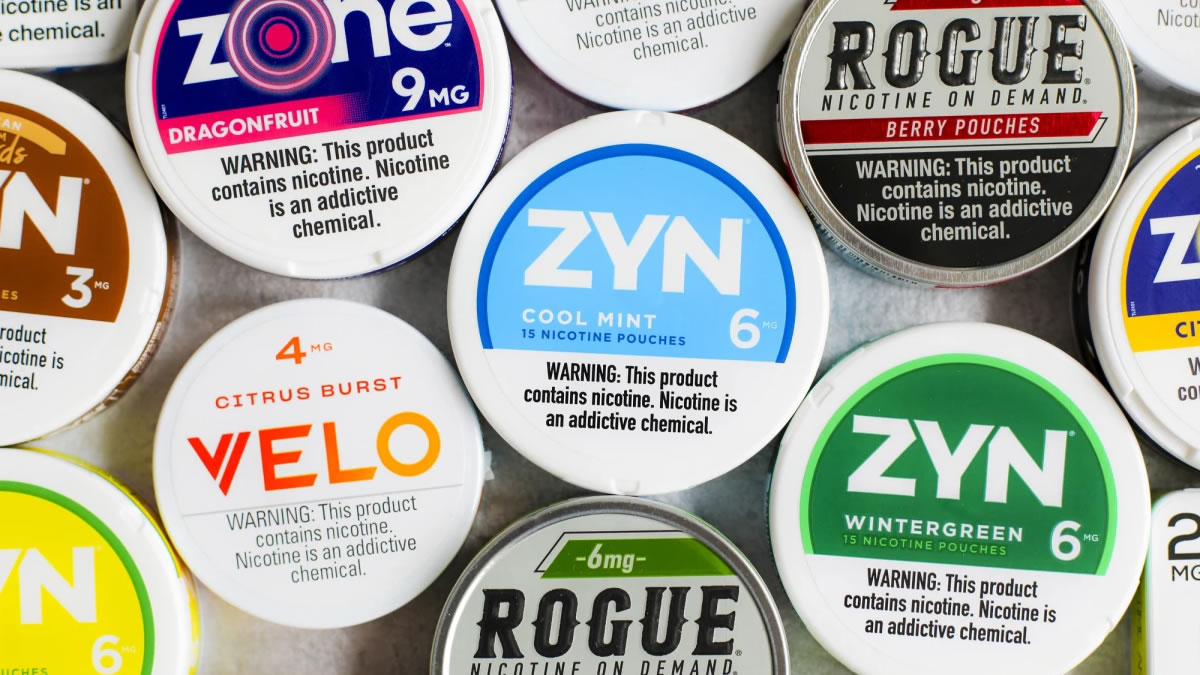
The global nicotine pouch market is projected to expand nearly fivefold, reaching $42.48 billion by 2033. As these tobacco-free products gain popularity, health authorities in South Korea and worldwide are tightening regulations to address nicotine exposure and prevent youth access, following a formal expansion of domestic tobacco definitions.
- Market Projection: Grand View Research estimates the market will grow from $6.96 billion in 2025 to $42.48 billion by 2033.
- Regulatory Shift: South Korea expanded its legal definition of tobacco to include nicotine raw materials effective April 2026.
- Health Concerns: Studies show pouch nicotine concentrations reach up to 47.5 mg, with blood nicotine levels after use often exceeding those of traditional cigarettes.
The nicotine pouch sector is undergoing rapid commercial growth. Industry analysts forecast the market will reach $9 billion this year, surging toward a $42.48 billion valuation by 2033. This expansion has prompted health agencies, including the Korea Health Promotion Institute, to push for preemptive oversight of novel nicotine products.
Nicotine pouches function by delivering nicotine through the oral mucosa. Because these products do not utilize combustion or produce aerosol, they remain invisible during use, creating challenges for enforcement in designated non-smoking areas.
Nicotine Exposure and Physiological Impact
Health experts warn against evaluating risk based solely on a product’s lack of combustion. Nicotine content per pouch ranges significantly, from 1.79 mg to 47.5 mg. Comparative clinical data shows that peak blood nicotine concentrations following the use of a 30 mg pouch reached 29.4 ng/ml, compared to 15.2 ng/ml for a traditional cigarette.
Physiological markers, including heart rate fluctuations, show similarities between pouch usage and cigarette smoking. Consequently, health authorities emphasize that the delivery method does not negate the underlying nicotine dependency and health risks.
Global Regulatory Landscape
International regulatory responses to nicotine pouches remain fragmented. According to World Health Organization data, approximately 160 nations lack specific regulations for the product category. Conversely, 16 countries, including France and the Netherlands, have implemented total sales bans, while 32 nations—including the U.S. and the U.K.—apply varying degrees of oversight.
Usage rates are rising in regulated markets. In the U.K., adult use increased from 0.1% in 2020 to 1.0% in 2025, with use among the 16–24 age demographic jumping from 0.7% to 4.0% in just three years.
Domestic Policy Updates in South Korea
Effective April 24, 2026, South Korea expanded its legal definition of tobacco to include products manufactured from "tobacco or nicotine." This reclassification subjects nicotine-based pouches to standard tobacco regulations, including:
- Mandatory health warnings and labeling requirements
- Restrictions on advertising and vending machine sales
- Prohibitions on use within designated non-smoking areas
Taxation and levy systems are currently under adjustment to reflect this new regulatory status. The Korea Health Promotion Institute maintains that narrowing these regulatory gaps is essential to manage the influx of high-potential nicotine products entering the domestic market.
Frequently Asked Questions
-
Do nicotine pouches pose the same health risks as cigarettes?
Studies indicate that nicotine pouches deliver significant nicotine doses, often resulting in higher blood nicotine concentrations than combustible cigarettes. Despite the lack of combustion or aerosol, usage impacts heart rate and nicotine exposure levels, requiring caution regarding dependency.
-
How has South Korea changed its tobacco laws regarding pouches?
As of April 24, 2026, South Korean law defines tobacco as products made from both "tobacco leaves" and "nicotine." This expansion brings nicotine pouches under the same regulatory umbrella as cigarettes, mandating health warnings and prohibiting use in non-smoking zones.
Disclaimer: This content is intended for informational purposes for adult smokers and vapers (18+) only. Nicotine is an addictive chemical. Product availability and regulations vary by jurisdiction under local TPD and national laws.

