




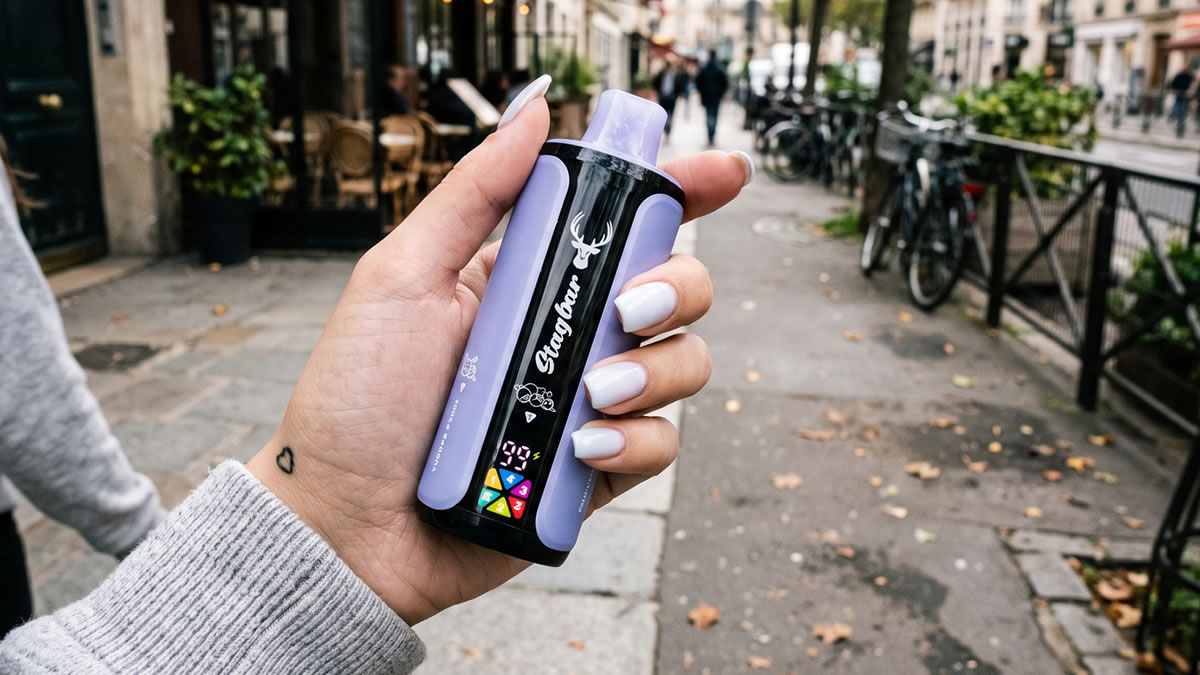
Menthol does far more than provide a cooling sensation in vaping devices, according to a peer-reviewed study published in ACS Chemical Neuroscience. Researchers Seong Shoon Yoon and Sooyeun Lee discovered that inhaling menthol alongside nicotine makes the drug's physiological effects hit harder and last longer in laboratory subjects.
The research challenges the widespread regulatory assumption that flavor additives serve purely sensory or marketing functions. Instead, the data indicates that flavoring chemicals interact directly with active drugs to alter pharmacokinetics inside the body.
Testing Isolated Aerosols Under Realistic Vaping Conditions
Most commercial e-liquids contain complex mixtures of sweeteners, chemical diluents, and multiple flavoring agents. To eliminate confounding variables, the research team formulated custom e-liquids containing only nicotine and menthol as additives. This approach allowed the team to isolate the exact biological effects of the mint additive.
The experiment evaluated 81 male rats placed in inhalation chambers. To replicate real-world consumer patterns, researchers delivered aerosols at five-minute intervals using commercial e-cigarette hardware, mimicking intermittent puffing rather than continuous forced exposure.
Researchers then tracked two core biological markers:
- Internal Chemistry: Blood plasma analysis measuring nicotine and its metabolic by-products.
- Core Body Temperature: A established rodent biomarker reflecting nicotine's impact on the central nervous system.
Menthol Prolongs Hypothermia and Alters Blood Chemistry
In rodents, nicotine triggers a drop in core body temperature. While rats exposed to nicotine alone experienced a temporary temperature dip, those exposed to the menthol mixture showed a prolonged hypothermic response. This physiological difference remained evident at the 120-minute mark, demonstrating that menthol extends the duration of the drug's activity.
Blood analyses showed elevated levels of nicotine by-products in the menthol group, suggesting the additive alters how the body processes, metabolizes, or clears the drug. Yoon summarized the core takeaway directly:
"Menthol should not be viewed merely as a passive flavor additive... menthol changes both the intensity and the duration of nicotine's physiological effects and its internal drug-cue effects."
The team also noted that internal drug cues appeared stronger when menthol was present, indicating the additive may heighten how the brain registers drug intake.
Regulatory Repercussions for Flavored E-Cigarettes
Funded by the Ministry of Food and Drug Safety and the National Research Foundation of Korea, the study introduces pharmacological evidence to the ongoing debate over menthol restrictions in tobacco and nicotine products.
Public health agencies evaluate flavor bans primarily around youth appeal. These findings indicate that policymakers may also need to consider biochemical amplification, as menthol could alter addiction potential by extending systemic exposure. The research team plans to evaluate female rats next to determine if sex-based differences influence this metabolic interaction.
- Article References: Menthol enhances the strength, duration of nicotine's effects in rats. (n.d.). Original publication

