



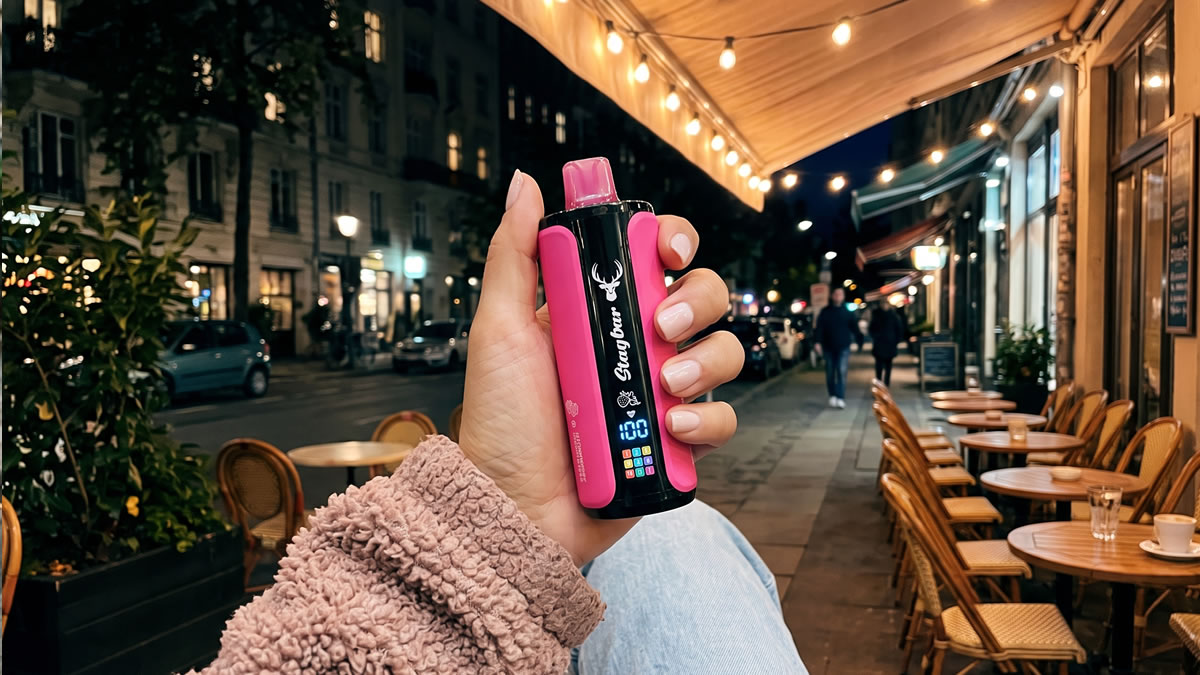
Vaping can activate a fire alarm system even without combustible tobacco or an open flame. E-cigarette vapor consists of suspended liquid droplets rather than benign water vapor. When dense concentrations of these particles drift into a detector's sensing chamber, the device treats the obstruction as a potential structural fire.
Before using an e-cigarette in any hotel room, rental apartment, or workplace, check local property regulations. Property rules apply to compact pod systems and high-powered sub-ohm mods alike. An alarm failing to sound previously provides no guarantee that the device will not trigger the sensor during the next use.
How Different Smoke Detectors React to Vape Aerosol
Smoke detection technologies rely on distinct sensing mechanisms. Understanding the hardware installed on a ceiling clarifies why e-cigarettes cause false alarms.
| Detector Type | Detection Mechanism | Vulnerability to Vape Aerosol |
|---|---|---|
| Optical (Photoelectric) | Monitors light beams; scattered light alerts the sensor | High; aerosol droplets actively reflect and scatter light |
| Ionisation | Tracks an internal, continuous electrical current | Moderate to High; dense particles disrupt current flow |
| Heat Detector | Responds solely to temperature spikes or fixed thermal limits | None; does not react to airborne particles or mist |
| Dedicated Vape Detector | Calibrated specifically to detect chemical vapor patterns | Very High; engineered specifically to catch vape emissions |
Optical and ionisation models account for the vast majority of false alarms. In contrast, heat detectors react only to thermal changes and should never be used as a replacement for standard smoke detectors in areas requiring life-safety equipment.
Key Factors Influencing False Alarm Activations
Whether a vape cloud sets off an alarm depends on several environmental factors:
- Aerosol Volume: High-powered vaporizers produce dense clouds that take longer to dissipate, increasing the risk of detection.
- Air Movement: Drafts, ceiling fans, and ventilation ducts can carry dense vapor directly into a ceiling detector chamber.
- Proximity: Exhaling vapor toward an alarm drastically increases particle density inside the sensor.
No e-cigarette is entirely "alarm-safe." Claims that specific formulations or hardware avoid detection lack technical validity when used near sensitive optical devices.
What to Do When an Alarm Sounds
If a smoke alarm activates while vaping, treat the event as an actual fire warning. The immediate priority is life safety rather than troubleshooting the hardware.
- Evacuate Immediately: Follow the designated evacuation route and comply with instructions from building marshals or emergency personnel.
- Do Not Delay: Avoid spending time trying to clear the air, locate the specific detector, or silence panels yourself.
- Report the Context: Once safely outside, inform the property manager or safety officer that vaping took place to assist their assessment.
Resolving Recurrent False Alarms Safely
If alarms activate repeatedly in a living space, immediately cease indoor vaping. Document the exact times of activation and notify the property owner or maintenance contractor.
Never cover a smoke detector with plastic, disconnect its wiring, or remove its backup battery. Disabling a life-safety device strips the room of early fire warnings and can lead to immediate lease termination, fines, or criminal liability.

Tech Reviewer & Vape Enthusiast
Rohan Sharma is a dynamic and analytical voice in the Indian vaping landscape, blending his passion for technology with a deep understanding of the global vape market. Based in Bangalore, India's tech hub, Rohan leverages his IT background to dissect the intricate details of vaping devices, from chipset performance to coil longevity. His content aims to empower the growing Indian vaping community with precise, data-driven reviews and practical advice.