



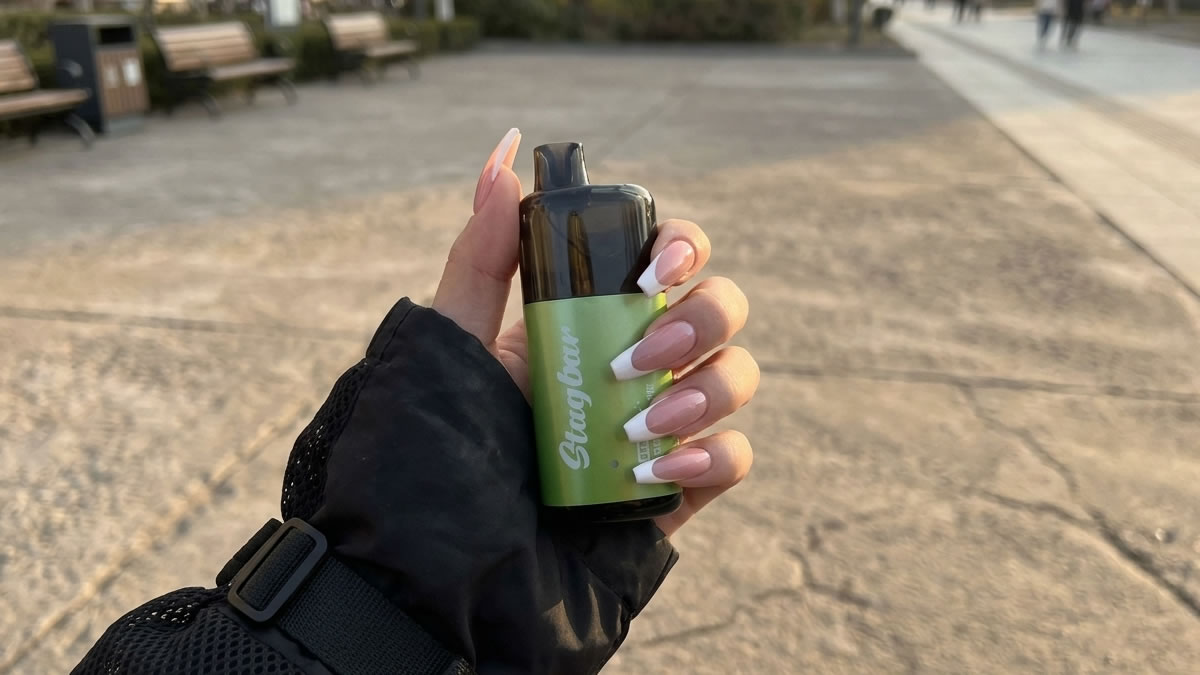
The popularity of pre-filled disposable vapes continues to grow among adult consumers transitioning away from combustible tobacco. While these all-in-one units eliminate the need for manual refilling or coil rebuilding, keeping lithium-battery-powered devices indoors introduces specific household safety responsibilities.
Managing battery stability, preventing liquid leaks, and eliminating accidental exposure for vulnerable family members requires structured daily handling protocols. Implementing basic precautions ensures that devices operate safely without creating domestic hazards.
Understanding the Mechanics of Disposable E-Cigarettes
Disposable vapes combine several operational components into a single sealed casing: an internal lithium-ion battery, an integrated sensor, an atomizer coil, and a pre-saturated absorbent reservoir containing nicotine e-liquid. Because users cannot open or service these units, internal integrity depends entirely on external handling.
Unlike standard electronics, disposable vapes lack physical power switches, relying instead on airflow sensors that activate the heating element upon inhalation. Physical drops, water intrusion, or exposure to excessive heat can damage these sensors, leading to auto-firing or battery degradation.
Best Practices for Storing Disposable Vapes Indoors
Proper storage directly affects the operational lifespan and safety profile of any disposable e-cigarette. Environmental factors such as temperature, humidity, and direct sunlight can destabilize both the chemical composition of the e-liquid and the internal battery.
Managing Temperature and Sunlight
Lithium-ion batteries perform reliably within a standard temperature range of 15°C to 25°C. Exposing devices to direct sunlight on windowsills, leaving them near kitchen stovetops, or placing them adjacent to heating radiators increases internal pressure within the battery cell. Excessive heat can cause thermal runaway, swelling, or e-liquid thinning that results in leaks through the airflow ports.
Protecting Devices from Moisture
Bathrooms and humid utility areas are unsuitable for vape storage. High ambient humidity allows moisture to penetrate the airflow holes at the base of the device, which can corrode internal solder joints or cause electrical short circuits across the sensor board.
Preventing Accidental Exposure for Children and Pets
The presence of nicotine e-liquids in residential spaces requires strict safety measures. Disposable vapes frequently feature bright colors, compact shapes, and sweet aromas that can attract the curiosity of children and domestic pets.
Risks of Nicotine Ingestion
Most disposable devices utilize nicotine salts, which deliver concentrated doses of nicotine per milliliter of fluid. Ingesting even small quantities of e-liquid can result in acute nicotine toxicity in young children and animals. Symptoms of poisoning include nausea, vomiting, dizziness, elevated heart rates, and respiratory distress.
Implementing Physical Safeguards
To prevent accidental poisoning, follow these household rules:
- Elevated Storage: Store all active and backup devices in high wall cabinets or secure drawers rather than on low coffee tables, nightstands, or desks.
- Child-Resistant Boxes: Keep spare inventory inside lockable storage boxes or dedicated cases with child-resistant latches.
- Pet Safety Precautions: Dogs and cats are particularly vulnerable to propylene glycol and nicotine. Never leave a used device inside open wastebaskets where pets might chew the plastic casing and puncture the battery.
Maintaining Indoor Air Quality and Room Ventilation
Although e-cigarette vapor dissipates faster than traditional tobacco smoke, using devices in confined, unventilated rooms leads to aerosol accumulation. The resulting buildup can settle on fabrics, windows, and hard surfaces, leaving behind thin residues of vegetable glycerin and flavoring agents.
Airflow Strategies for Enclosed Rooms
Maintaining adequate indoor air quality requires active air exchange:
- Cross-Ventilation: Open at least one window to establish consistent air exchange when using a device inside living areas.
- Mechanical Air Circulation: Utilize standing fans or existing HVAC exhaust systems to disperse aerosol clouds away from seated areas.
- Restricted Zones: Avoid vaping in nurseries, children's bedrooms, or poorly ventilated basements to prevent unnecessary secondary aerosol exposure.
Recognizing When to Retire a Disposable Device
Disposable vapes are engineered for a finite operational cycle determined by their e-liquid capacity and battery rating. Continuing to draw on a depleted unit introduces unnecessary health and mechanical risks.
| Device Indicator | Underlying Cause | Required Action |
|---|---|---|
| Blinking LED Light | Battery voltage dropped below functional threshold | Stop usage; prepare the unit for safe battery recycling |
| Acrid or Burnt Taste | E-liquid fully consumed; dry cotton wick burning | Cease inhalation immediately to prevent inhaling dry-hit byproducts |
| Diminished Vapor Output | Coil degradation or fluid depletion | Replace the device; do not attempt to force draws |
| Excessive Casing Heat | Internal resistance issue or continuous auto-fire | Place on a non-flammable surface away from household members |
Safe Disposal Protocols for Used Devices
Because disposable vapes contain integrated lithium-ion batteries and electronic circuitry, they must not be discarded in standard household garbage bins. Compacted garbage trucks can crush discarded devices, potentially sparking battery fires.
Take spent devices to municipal electronic waste drop-off locations, designated supermarket battery collection bins, or participating vape retail shops that offer take-back recycling programs. Proper disposal protects municipal waste workers and keeps heavy metals out of local landfills.

Tech Reviewer & Vape Enthusiast
Rohan Sharma is a dynamic and analytical voice in the Indian vaping landscape, blending his passion for technology with a deep understanding of the global vape market. Based in Bangalore, India's tech hub, Rohan leverages his IT background to dissect the intricate details of vaping devices, from chipset performance to coil longevity. His content aims to empower the growing Indian vaping community with precise, data-driven reviews and practical advice.