



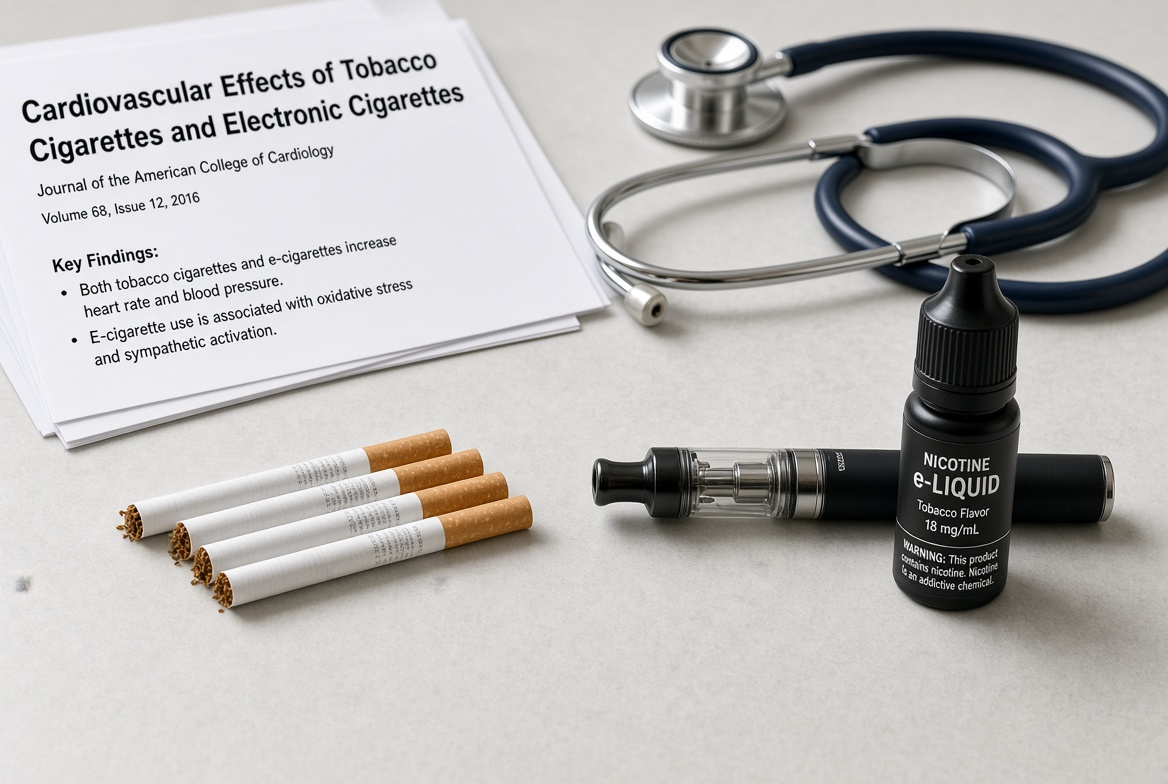
Public health researchers and toxicologists confirm that e-cigarettes expose users to fewer carcinogens and toxic compounds than combustible tobacco. This finding has established vaping as an accepted harm-reduction tool across several nations. However, regulatory agencies emphasize that reduced chemical exposure does not make e-cigarettes safe.
Understanding the exact medical differences between vapor and combustible smoke helps smokers make informed decisions regarding their long-term health.
Combustion Versus Aerosolization: The Chemical Differences
Traditional cigarettes burn cured tobacco leaves at temperatures exceeding 800°C. This combustion process releases over 7,000 chemicals, including carbon monoxide, heavy tar, and polycyclic aromatic hydrocarbons. These compounds represent the primary drivers of smoking-related lung cancers and ischemic heart disease.
Electronic cigarettes operate without combustion. Instead, a battery heats an e-liquid composed of vegetable glycerin, propylene glycol, flavorings, and pharmaceutical-grade nicotine. Because the solution vaporizes rather than burns, neither tar nor carbon monoxide forms.
However, heating these liquid bases at high temperatures causes thermal breakdown. The resulting aerosol contains volatile carbonyls—such as formaldehyde and acetaldehyde—alongside microscopic metal particles from the heating coil. While these toxic byproducts appear in much smaller concentrations than in cigarette smoke, they are not harmless.
| Comparison Factor | Combustible Cigarettes | Electronic Cigarettes |
|---|---|---|
| Operating Mechanism | Combustion (burns at >800°C) | Aerosolization (vaporizes liquid) |
| Primary Toxins | Carbon monoxide, tar, nitrosamines | Acrolein, formaldehyde, trace metals |
| Cardiovascular Impact | Arterial damage, carbon monoxide poisoning | Endothelial dysfunction, elevated pulse |
| Recommended Use | None (universally hazardous) | Complete substitution for smokers only |
Documented Health Hazards of Electronic Cigarettes
Clinical studies track various physiological effects linked to aerosol inhalation. Nicotine stimulates the sympathetic nervous system, inducing arterial stiffness, elevated heart rate, and acute blood pressure spikes. Over extended periods, chronic inhalation of e-cigarette aerosols promotes endothelial dysfunction and triggers oxidative stress in vascular tissues.
Respiratory tracking shows regular vaping can cause airway irritation, heightened coughing, and persistent cellular inflammation in the bronchi. While these respiratory risks are lower than the severe structural damage caused by combustible smoking, they remain problematic for long-term health.
The Compounded Threat of Dual Use
A prevalent pitfall in tobacco harm reduction is "dual use"—the habit of vaping while continuing to smoke traditional cigarettes. Epidemiological analyses show that a large percentage of adult vape users remain dual users.
This dual pattern cancels out the advantages of harm reduction. Recent meta-analyses reveal that dual users face equal or higher cardiovascular and respiratory risks compared to individuals who smoke exclusively. Vaping provides health utility only when it replaces combustible cigarettes entirely.
Cessation Effectiveness and Youth Prevention
Cochrane systematic reviews indicate that nicotine e-cigarettes can outperform traditional nicotine replacement therapies (NRT), like patches or nicotine gum, when accompanied by behavioral guidance. Nevertheless, many former smokers develop persistent dependencies on vaping devices rather than weaning off nicotine entirely.
For youth and non-smokers, e-cigarettes introduce clear health hazards without any offsetting medical utility. Nicotine alters developing adolescent neural pathways, impairs impulse control, and frequently acts as an entry point to combustible tobacco. Consequently, public health policies focus heavily on preventing youth access through flavor restrictions and mandatory age validation.

Vape Lifestyle & Advocacy Blogger
Chloe Evans, widely known as "CloudChaser Chloe," is a prominent voice in the global vaping community, celebrated for her vibrant personality and keen focus on the lifestyle aspects of vaping. Based in the creative hub of Portland, Oregon, Chloe's content blends fashion, art, and harm reduction, offering a fresh perspective on the vaping world. She aims to demystify vaping for adult consumers and challenge outdated perceptions, promoting a responsible and enjoyable experience.