



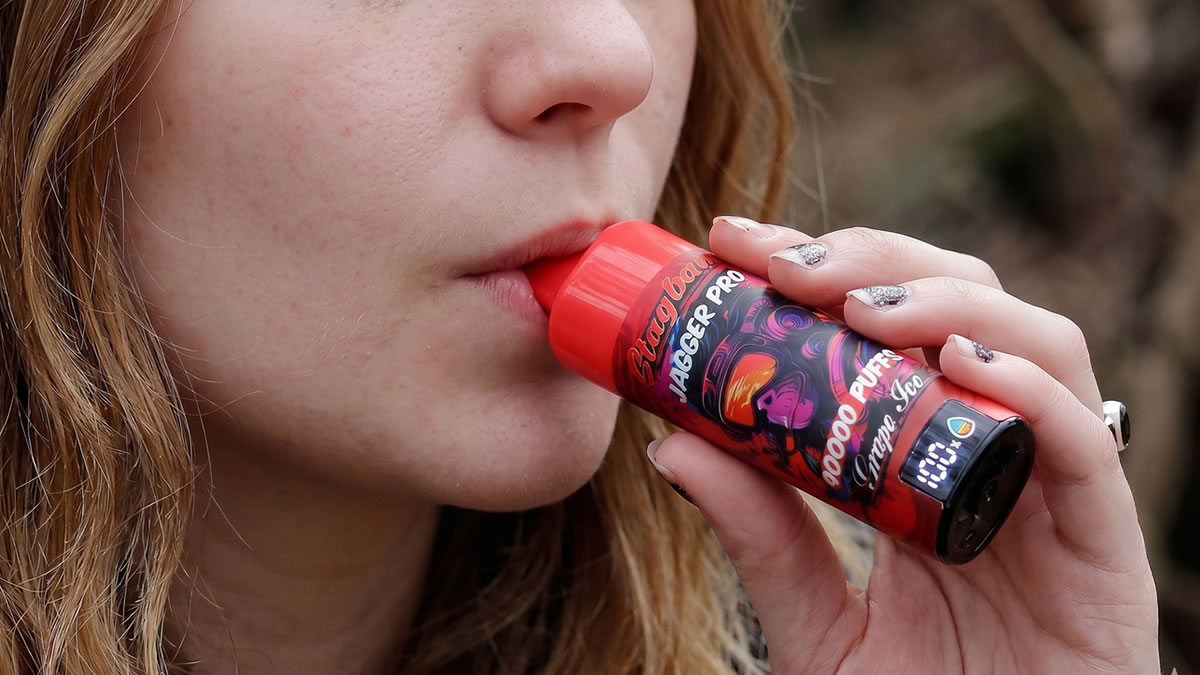
Many college students reach for nicotine vapes or pouches to pull all-nighters, chasing a temporary spike in alertness. However, public health data and neurological research indicate this habit undermines the exact cognitive functions required for academic success. For students under 25, relying on nicotine to study creates a cycle of dependency that actively impairs long-term focus.
Why Nicotine Impairs Academic Performance
According to CDC data, young adults aged 18 to 24 have the highest rate of e-cigarette use, with 11% vaping in 2021. A U.S. Surgeon General’s report warns that because brain development continues into the mid-20s, nicotine exposure during this window alters the growth of circuits governing attention, learning, and impulse control.
Rather than aiding concentration, nicotine acts as a temporary stimulant that quickly triggers withdrawal. Students often mistake the relief of satisfying a craving for actual focus. This cycle forces the brain to constantly seek another hit just to maintain baseline attention.
The Reality of Nicotine-Free Vapes
Switching to zero-nicotine vapes eliminates the risk of chemical addiction, but it does not make the practice safe. Pulmonologists warn that heating common vape carriers like propylene glycol and vegetable glycerin produces toxic byproducts, including formaldehyde and acetaldehyde. Flavorings deemed safe for ingestion are not necessarily safe when inhaled into the lungs.
Evidence-Based Alternatives for Focus
Students looking to optimize their study sessions have safer, scientifically backed options:
- Caffeine: Safe up to 400 milligrams daily for most adults. To avoid disrupting sleep—which is vital for memory consolidation—caffeine should be consumed early in the day due to its six-hour half-life.
- Bacopa Monnieri: A 2016 double-blind study of medical students aged 19 to 22 showed that 300 mg of this herb daily for six weeks improved working memory and recall.
- Ashwagandha: A 2021 trial demonstrated improved recall memory in stressed adults taking 300 mg daily over 90 days.
| Study Aid | Primary Benefit | Key Cognitive Risk |
|---|---|---|
| Nicotine | Short-term alertness spike | Alters brain development, causes high dependency |
| Caffeine | Prolonged alertness | Can cause jitters and disrupt sleep if taken late |
| Bacopa Monnieri | Improves recall and working memory | Requires daily use over weeks; minor digestive issues |
The Ultimate Study Stack
No chemical can replace basic physiological needs. The American Academy of Sleep Medicine recommends at least seven hours of sleep per night, which is when the brain consolidates information. Proper hydration and balanced meals remain the most reliable cognitive enhancers. For those seeking clean stimulation, nicotine-free caffeine pouches offer a controlled dose without respiratory risks.

Tech Reviewer & Vape Enthusiast
Rohan Sharma is a dynamic and analytical voice in the Indian vaping landscape, blending his passion for technology with a deep understanding of the global vape market. Based in Bangalore, India's tech hub, Rohan leverages his IT background to dissect the intricate details of vaping devices, from chipset performance to coil longevity. His content aims to empower the growing Indian vaping community with precise, data-driven reviews and practical advice.