




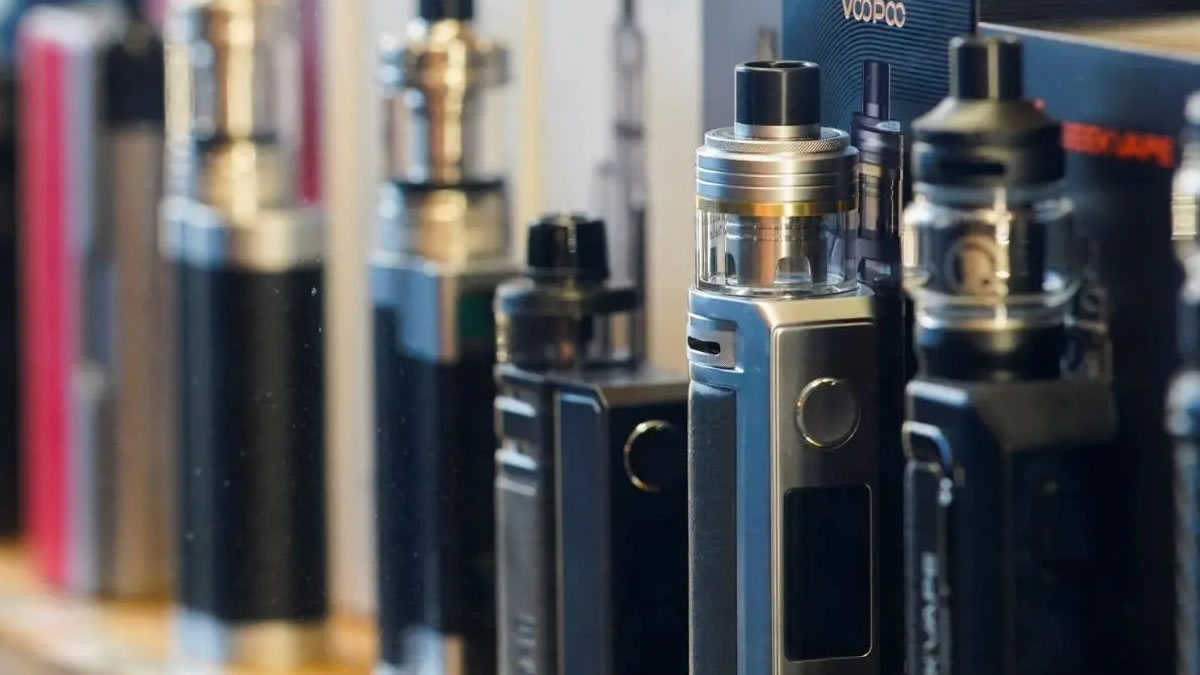
In March 2026, Japan witnessed its first nationwide crackdown on the illegal sale of nicotine-infused e-liquids, colloquially known as "Nico-Puff." This event, coupled with reports of e-liquids laced with illicit drugs like etomidate, has thrust vaping into the criminal spotlight. However, a critical public health question remains: Are zero-nicotine e-cigarettes actually safe? Medical research and international regulatory shifts suggest that even without nicotine, inhaling vaporized chemicals poses severe risks to respiratory and cardiovascular health.
The Chemical Reality of "Nicotine-Free" E-Liquids
While Japan strictly regulates nicotine as a pharmaceutical product—making the domestic sale of nicotine e-liquids illegal without authorization—there is currently no age restriction on smoking zero-nicotine vapes. This regulatory loophole allows minors to easily purchase devices and liquids. The danger lies in the foundational ingredients of all e-liquids: propylene glycol (PG) and glycerol (VG).
Although PG and VG are widely approved as food additives, their safety profile changes drastically when heated and inhaled. Research indicates that vaporizing these substances generates known carcinogens, such as formaldehyde. Furthermore, studies exposing respiratory cells to nicotine-free aerosol have demonstrated an increased risk of airway obstruction. The aerosol triggers inflammatory responses and increases the production of mucin (a highly viscous protein), which can severely impair breathing.
Flavorings, Heavy Metals, and Cardiovascular Threats
The appeal of zero-nicotine vapes often relies heavily on complex flavor profiles. Ingredients like aromatic alcohols, menthol, vanillin, and ethyl acetate have been shown to exert significant pulmonary toxicity, degrading the lung's ability to perform gas exchange. Beyond the lungs, zero-nicotine vapor has been linked to cardiovascular issues, including arrhythmia, by altering mitochondrial function within cells.
Additionally, the mechanical process of vaping introduces physical hazards. Devices use metal coils to heat the liquid, which can leach heavy metals such as aluminum, nickel, lead, and tin into the inhaled aerosol. This risk is reportedly higher in products designed to mimic the flavor profile of combustible cigarettes.
| Component in Zero-Nicotine Vapes | Identified Health Risk |
|---|---|
| Propylene Glycol / Glycerol | Converts to formaldehyde (carcinogen) when heated. |
| Flavoring Agents (e.g., Vanillin) | Pulmonary toxicity; impairs lung gas exchange. |
| Aerosol Particulates | Airway inflammation and mucin overproduction. |
| Heating Coils | Leaching of heavy metals (Lead, Nickel, Tin). |
The Shadow of EVALI and Global Regulatory Responses
The inherent dangers of vaping liquids were tragically highlighted during the 2019 US outbreak of EVALI (e-cigarette or Vaping Product Use-Associated Lung Injury), which resulted in 68 deaths. While primarily linked to THC and Vitamin E acetate, the outbreak underscored that inhaling unregulated, vaporized lipid compounds can cause catastrophic lung damage.
In response to the mounting evidence against both nicotine and non-nicotine vaping products, global regulations are tightening rapidly:
- United Kingdom: Banning the sale and supply of disposable vapes starting June 2025 due to environmental and youth appeal concerns.
- France: Prohibited the sale of disposable "puffs" as of February 2026, with further taxation and flavor bans under discussion.
- Asia (Singapore, Thailand, Taiwan): Implement total bans on all e-cigarettes and heated tobacco devices, regardless of nicotine content, with strict penalties for travelers.
The marketing of "nicotine-free" vapes creates a false sense of security, potentially increasing product appeal while masking the physiological dangers of inhaling heated chemicals, heavy metals, and toxic flavorings.

