



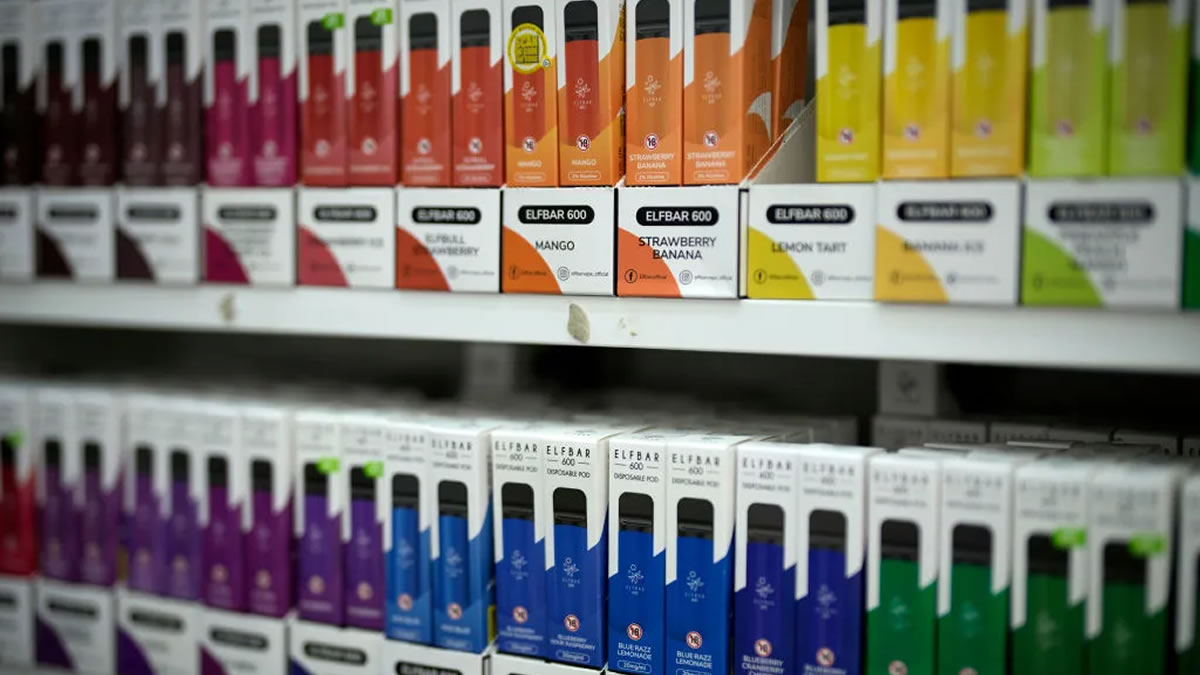
Starting January 1, 2027, Iowa will implement a new tax on alternative nicotine products, including vapes and pouches, to close regulatory loopholes and generate revenue for pediatric cancer research.
- Broad Coverage: The law (SF 2480) applies to vapes, nicotine pouches, and "nicotine analogs," ensuring synthetic and new products are taxed.
- New Tax Rates: Users will see a tax of five cents per milliliter of vape liquid and five cents per standard container of nicotine pouches.
- Funding Cancer Research: Up to $3 million annually will be directed to the University of Iowa Children's Hospital.
- Stricter Oversight: Businesses must obtain licenses, maintain three years of records, and submit regular compliance reports.
Iowa lawmakers have officially passed SF 2480, a new bill that will heavily tax alternative nicotine products like vapes and pouches starting January 1, 2027. This legislative move aims to close existing tax loopholes while redirecting millions of dollars annually toward pediatric cancer research at the University of Iowa.
Passed on April 22, 2026, the legislation brings modern nicotine items under the same strict oversight as traditional tobacco. The law officially recognizes "alternative nicotine products" and "vapor products" within the state's tax code. Crucially, it also includes a provision for "nicotine analogs," ensuring the state can tax synthetic or newly developed nicotine-like substances as they enter the market.
For consumers using popular vape brands (like JUUL or GeekVape) or nicotine pouches (such as ZYN or VELO), the most immediate impact will be increased costs. The state has established specific tax rates designed to capture revenue across different product types.
| Nicotine Product Type | New Tax Rate (Effective Jan 1, 2027) |
|---|---|
| Vape Liquid | $0.05 per milliliter |
| Nicotine Pouches (Up to 20 units) | $0.05 per container |
| Large Pouch Containers (>20 units) | Scaled proportionally higher |
The law is designed to ensure the tax is collected at some point in the supply chain, covering distributors, local manufacturers, and companies shipping to Iowa retailers. If a distributor fails to pay, the tax burden can legally shift to the individual storing or using the product.
Beyond consumer costs, SF 2480 imposes stringent operational rules on the nicotine industry. Distributors and retailers must now be fully licensed. Furthermore, they are required to submit regular reports and maintain detailed operational records for a minimum of three years, which are subject to state inspection.
While nicotine users will bear the financial burden, the generated revenue will serve a significant public health initiative. Beginning in the 2027-28 fiscal year, Iowa will allocate up to $3 million annually to support pediatric cancer research and treatment programs at the University of Iowa Children's Hospital. The state will also implement a public reporting system to allow citizens to track how these funds are utilized.

Tech Reviewer & Vape Enthusiast
Rohan Sharma is a dynamic and analytical voice in the Indian vaping landscape, blending his passion for technology with a deep understanding of the global vape market. Based in Bangalore, India's tech hub, Rohan leverages his IT background to dissect the intricate details of vaping devices, from chipset performance to coil longevity. His content aims to empower the growing Indian vaping community with precise, data-driven reviews and practical advice.