



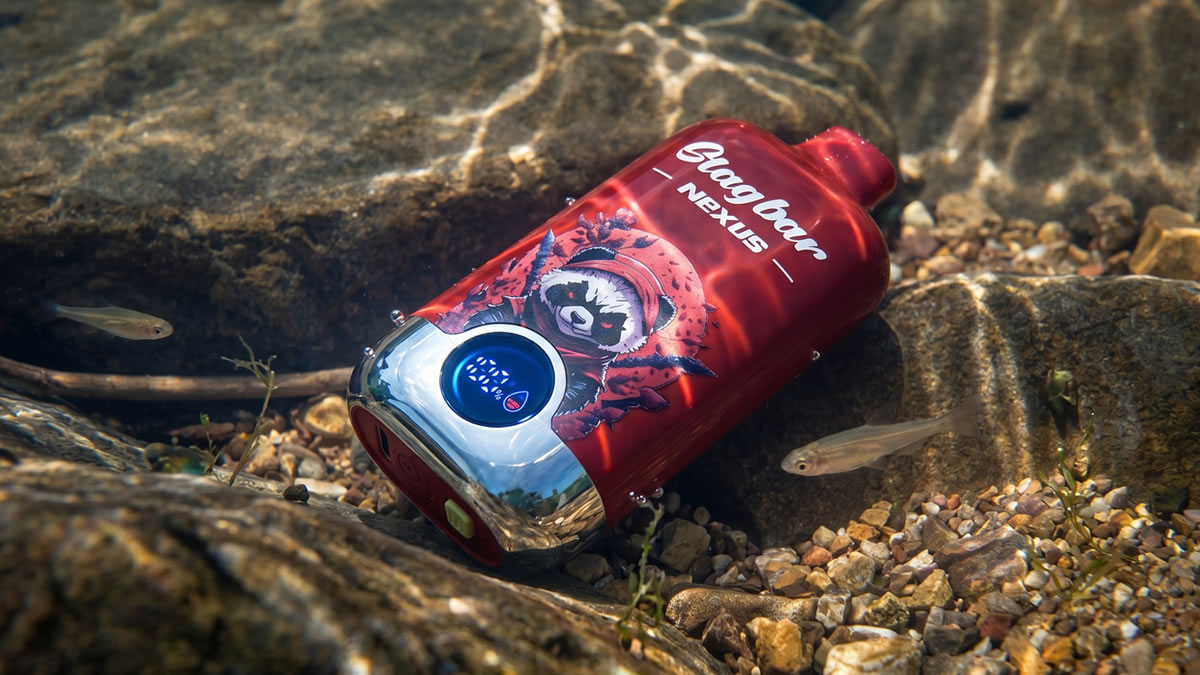
Disposable vapes are driving a severe environmental crisis due to their complex, hard-to-recycle designs that trap valuable lithium-ion batteries and hazardous chemicals inside single-use plastics. To combat this growing e-waste burden and conserve critical raw materials, users must transition to rechargeable, refillable vaping systems.
- Complex Construction: Disposables tightly bind plastic, copper, and lithium, making standard recycling economically unviable.
- Resource Waste: Fully functional lithium-ion batteries are discarded after just days of use, exacerbating global raw material shortages.
- Toxic Pollution: Improperly discarded vapes leach heavy metals (lead, cobalt, lithium) and neurotoxic nicotine into soil and waterways.
- Sustainable Shift: Rechargeable vapes drastically reduce waste by allowing users to keep the battery and only replace e-liquid and small atomizer heads.
Environmental advocates are sounding the alarm on the escalating e-waste crisis driven by the ubiquitous use of disposable vapes. As millions of these single-use electronic devices flood city streets and landfills, their hazardous chemical components and wasted lithium-ion batteries are causing severe, long-term damage to global ecosystems.
Unlike traditional rechargeable devices designed for longevity, a disposable e-cigarette is a tightly sealed, short-term system. They consist of hard plastic or aluminum casings, microprocessors, copper wires, e-liquid-soaked cotton wicks, and lithium-ion batteries.
Because these components are glued, soldered, or tightly pressed together, breaking them down is mechanically costly. Consequently, standard recycling plants find the process economically unviable. Millions of vapes end up in incinerators—posing severe fire hazards—or in landfills, where they take decades to decompose.
The environmental devastation is highly visible in countries like Spain. Despite strict waste laws requiring electronic waste to be taken to designated "Clean Points," users routinely discard disposable vapes in household trash or directly into nature.
When left exposed to the elements, rainwater penetrates the casing, causing the lithium-ion battery to corrode. This process leaches heavy metals like lead, cobalt, and lithium into the soil and groundwater. Furthermore, degrading plastic casings create microplastics, while residual nicotine in the cotton acts as a potent neurotoxin, severely disrupting aquatic ecosystems.
Perhaps the most critical resource wasted in this cycle is the lithium-ion battery. Lithium extraction requires massive amounts of water and heavily impacts mining landscapes.
While lithium-ion batteries in laptops and electric cars are designed to be recharged thousands of times over years, the batteries in disposable vapes are discarded after just a few days. This destroys valuable materials like cobalt and copper, removing them entirely from the raw materials cycle and intensifying global supply shortages.
To mitigate this environmental damage, transitioning to rechargeable e-cigarettes is a logical and necessary step.
| Feature | Disposable Vapes | Rechargeable Vapes |
|---|---|---|
| Lifespan | 1-3 days (Single-use) | Months to years |
| Battery Waste | Discarded fully functional | Recharged repeatedly via USB |
| E-Liquid System | Sealed, non-refillable cotton wick | Refillable tanks using bottled e-liquid |
| Long-Term Cost | High (constant replacement) | Low (only replacing liquid and coils) |
| Environmental Impact | Severe (heavy metals, microplastics) | Minimal (significantly reduced e-waste) |
Rechargeable systems drastically reduce waste volume. Instead of throwing away a battery and plastic casing daily, users only discard tiny metal atomizer heads and empty PET e-liquid bottles. While requiring a slightly higher initial investment, the long-term maintenance costs are considerably lower.
However, even rechargeable systems require responsible disposal. When a rechargeable battery eventually fails, it must be taken to a specialized recycling center or electronics collection point to safely recover the metals.
In Spain, completely empty PET e-liquid bottles can be placed in the yellow recycling bin for light packaging. Crucially, leftover e-liquid must never be poured down drains due to its nicotine content; it should be treated as hazardous waste. By adopting reusable systems and adhering to proper disposal methods, users can significantly reduce the environmental footprint of vaping.

Tech Reviewer & Vape Enthusiast
Rohan Sharma is a dynamic and analytical voice in the Indian vaping landscape, blending his passion for technology with a deep understanding of the global vape market. Based in Bangalore, India's tech hub, Rohan leverages his IT background to dissect the intricate details of vaping devices, from chipset performance to coil longevity. His content aims to empower the growing Indian vaping community with precise, data-driven reviews and practical advice.