



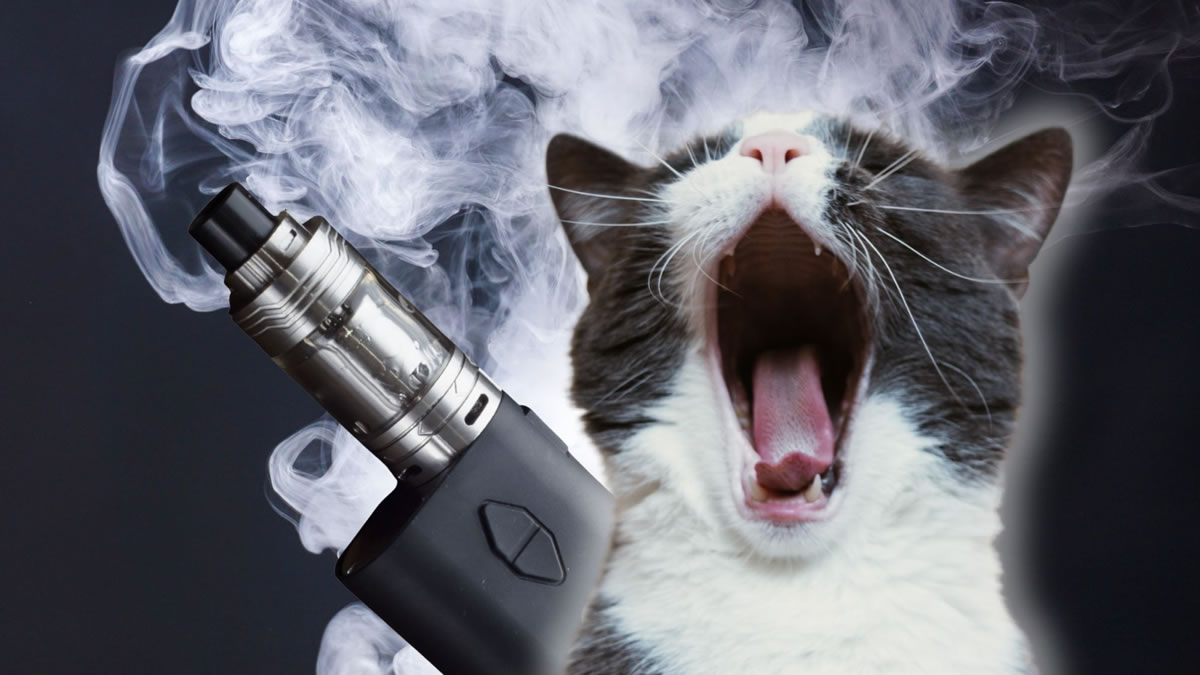
Vaping can be highly dangerous for pets. Veterinary experts warn that exposure to secondhand vape aerosol and ingestion of e-liquids can cause serious respiratory issues like asthma in cats and bronchitis in dogs, as well as fatal nicotine poisoning. The risks are heightened indoors during colder months due to poor ventilation.
Key Takeaways:
- Respiratory Threat: Vape aerosol can trigger asthma in cats and bronchitis in dogs.
- Toxic Ingestion: Cats may ingest harmful chemicals from their fur while grooming.
- Nicotine Poisoning: E-liquids containing nicotine are highly toxic and potentially fatal to animals.
- Safety First: Vets recommend vaping outside and storing devices securely away from pets.
Secondhand vaping refers to the inhalation of aerosol exhaled by e-cigarette users, which contains chemicals that can settle on surfaces and be harmful to animals. As vaping becomes more common indoors, especially during colder weather, veterinarians are reporting a concerning rise in respiratory illnesses among pets linked to this exposure.
The Hidden Dangers of Indoor Vaping for Animals
While many pet owners might assume vaping is safer than smoking, experts caution that the aerosol produced is far from harmless for our four-legged friends. Dr. Katharine Nelson from the Royal Veterinary College’s Beaumont Sainsbury Animal Hospital highlights that pets are frequently seen with breathing difficulties triggered or worsened by airborne irritants.
The risks are particularly acute for certain animals:
| Pet Type | Specific Vulnerabilities | Potential Health Impacts |
|---|---|---|
| Cats | Prone to asthma; ingest chemicals from fur during grooming. | Asthma attacks, wheezing, vomiting, skin allergies. |
| Dogs | Sensitive airways; risk of chewing devices/liquids. | Bronchitis, nicotine poisoning, heart disease. |
| Birds | Highly sensitive respiratory systems. | Severe respiratory distress from poor air quality. |
Why Cats Are at Higher Risk
Cats face a unique double threat. Not only do they inhale the aerosol, but the droplets also settle on their fur. "Cats are particularly vulnerable to ingesting vape liquid droplets when they groom themselves," explains Dr. Nelson. This grooming behavior means they can unknowingly consume toxic chemicals, leading to symptoms ranging from drooling and vomiting to more severe systemic issues.
The Threat of E-Liquid Poisoning
Beyond respiratory issues, the direct ingestion of e-liquids poses a fatal risk. A study in the Journal of Small Animal Practice analyzed over 300 cases of dogs exposed to e-liquids and devices, finding instances of severe poisoning. Nicotine is highly toxic to animals, and even small amounts from spills or unattended refill bottles can be deadly.
Catherine Burke, a vet with the PDSA, warns, "It’s important to remember that many e-liquids contain nicotine, which is highly toxic to animals." She advises owners to watch for signs like coughing, wheezing, or changes in breathing and to contact a vet immediately if these occur.
How to Protect Your Pets
To ensure the safety of your pets, veterinarians recommend the following precautions:
- Vape Outside: The most effective way to prevent exposure is to vape outdoors, away from pets.
- Secure Storage: Keep e-liquids, devices, and accessories stored in high, locked cabinets out of reach of inquisitive pets.
- Ventilation: If vaping indoors is unavoidable, ensure the room is well-ventilated and keep pets out of that specific area.

Vape Lifestyle & Advocacy Blogger
Chloe Evans, widely known as "CloudChaser Chloe," is a prominent voice in the global vaping community, celebrated for her vibrant personality and keen focus on the lifestyle aspects of vaping. Based in the creative hub of Portland, Oregon, Chloe's content blends fashion, art, and harm reduction, offering a fresh perspective on the vaping world. She aims to demystify vaping for adult consumers and challenge outdated perceptions, promoting a responsible and enjoyable experience.