



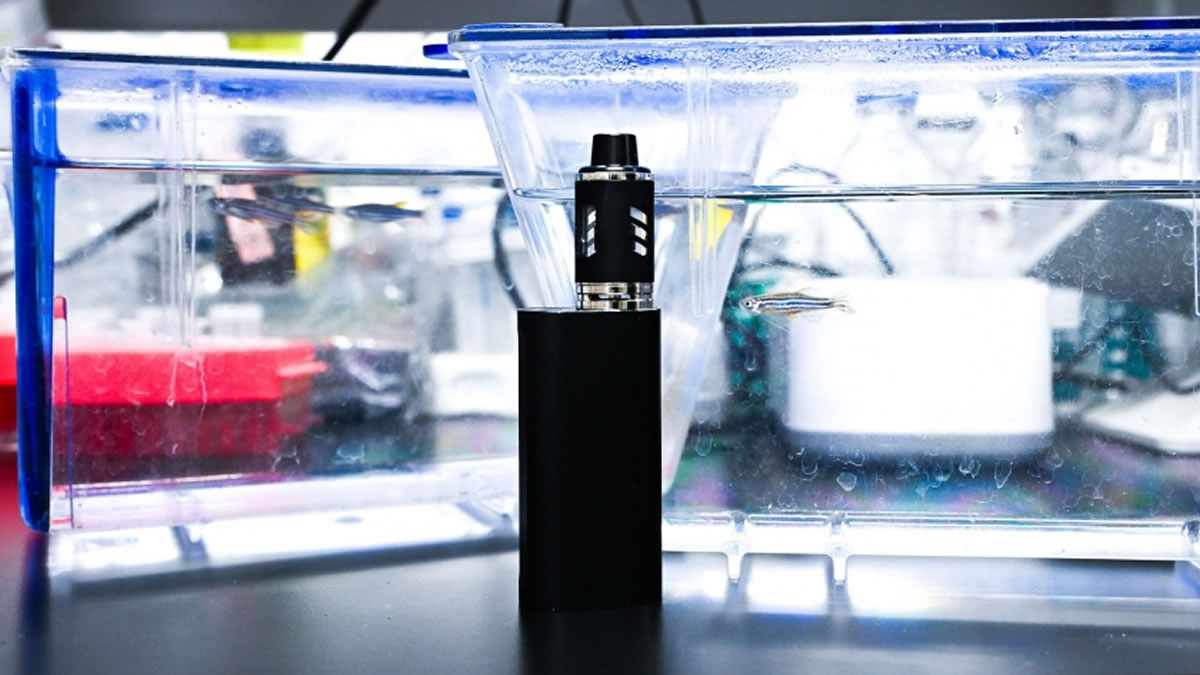
A groundbreaking study from Kyushu University challenges the "harmless" narrative of e-cigarettes, revealing that vaping exposure significantly alters gut microbial networks and impairs neurobehavior. Published in Science of The Total Environment, the research utilized a zebrafish model to demonstrate that both nicotine and nicotine-free e-liquids produce carcinogenic byproducts like formaldehyde. The findings suggest that vaping chemicals actively reshape the gut's bacterial community, leading to reduced stability and compromised escape responses in the organism.
Key Takeaways
- Microbiome Disruption: E-cigarette exposure caused a decline in beneficial Fusobacteriaceae bacteria while boosting stress-response microbes.
- Behavioral Impairment: Zebrafish exposed to vapor showed impaired escape responses, regardless of nicotine content.
- Carcinogenic Byproducts: Heating e-liquids produced formaldehyde and acetaldehyde, known carcinogens.
- Genetic Relevance: Zebrafish share approximately 80% of human disease-causing genes, making them a robust toxicological model.
Core Finding: Vaping Chemicals Reshape the Gut
The study's primary discovery is the active adaptation of the gut microbiome to toxic stress. Researchers bubbled e-cigarette liquid into fish tanks over seven days to mimic typical vaping conditions. The results were stark: the bacterial community didn't just suffer; it reorganized. In nicotine-exposed fish, populations of Fusobacteriaceae—key for gut health—dropped significantly. Conversely, Sphingomonadaceae, bacteria known for degrading foreign chemical compounds, became dominant.
This shift indicates that the microbiome attempts to metabolize the toxic substances found in the vapor. First author Thi Ngoc Mai Dong explains that the bacteria essentially "feel" the toxins and adapt to the hostile environment. This adaptation comes at a cost, reducing the overall stability of the microbial network.
Data Visualization: Bacterial Shifts by Exposure Type
The study identified specific bacterial winners and losers depending on whether nicotine was present.
| Exposure Type | Declining Bacteria (Losers) | Dominant Bacteria (Winners) |
|---|---|---|
| Nicotine Vapor | Fusobacteriaceae (Gut Health) | Sphingomonadaceae (Xenobiotic Degradation) |
| Nicotine-Free Vapor | General Stability | Shewanellaceae & Barnesiellaceae (Stress Response) |
Methodology Brief: Why Zebrafish?
Associate Professor Tse Ka Fai William and his team chose zebrafish for their high genetic similarity to humans. The water-based exposure system allowed for precise dosing of e-liquid vapor. Chemical analysis of the water confirmed the presence of formaldehyde and acetaldehyde, byproducts generated by the heating element of the vape device. This confirms that the risk extends beyond the liquid ingredients themselves to the compounds created during vaporization.
Practical Application: Neurobehavioral Risks
The implications extend beyond the gut. The study found that all exposed fish—even those in nicotine-free tanks—exhibited altered behavior and impaired escape mechanisms. This suggests a link between the gut microbiome's disruption and neurological function (the gut-brain axis). While these results are from an animal model, they provide a biological basis for reassessing the safety of flavored vapes, especially for adolescents whose developing bodies may be more susceptible to these systemic disruptions.
Does vaping affect your gut health?
Emerging evidence suggests yes. The Kyushu University study indicates that vaping chemicals force the gut microbiome to adapt to toxins, reducing populations of beneficial bacteria and potentially affecting neurological behavior via the gut-brain axis.
For more information about this research, see "E-cigarette vapor alters gut microbiota composition in zebrafish," Thi Ngoc Mai Dong, Delbert Almerick T. Boncan, Carl Andersen Macaraeg Tan, Da-Wei Liu, Hsin-Yu Sun, Ting-Wei Huang, Chen Hsu, Kuo-Chang Chu, Zulvikar Syambani Ulhaq, Keng Po Lai, Douglas Robert Drummond, Yukiko Ogino, Yun-Jin Jiang, May-Su You, Jen-Kun Chen, Ting Fung Chan, William Ka Fai Tse, Science of The Total Environment, https://doi.org/10.1016/j.scitotenv.2025.181199

Tech Reviewer & Vape Enthusiast
Rohan Sharma is a dynamic and analytical voice in the Indian vaping landscape, blending his passion for technology with a deep understanding of the global vape market. Based in Bangalore, India's tech hub, Rohan leverages his IT background to dissect the intricate details of vaping devices, from chipset performance to coil longevity. His content aims to empower the growing Indian vaping community with precise, data-driven reviews and practical advice.