



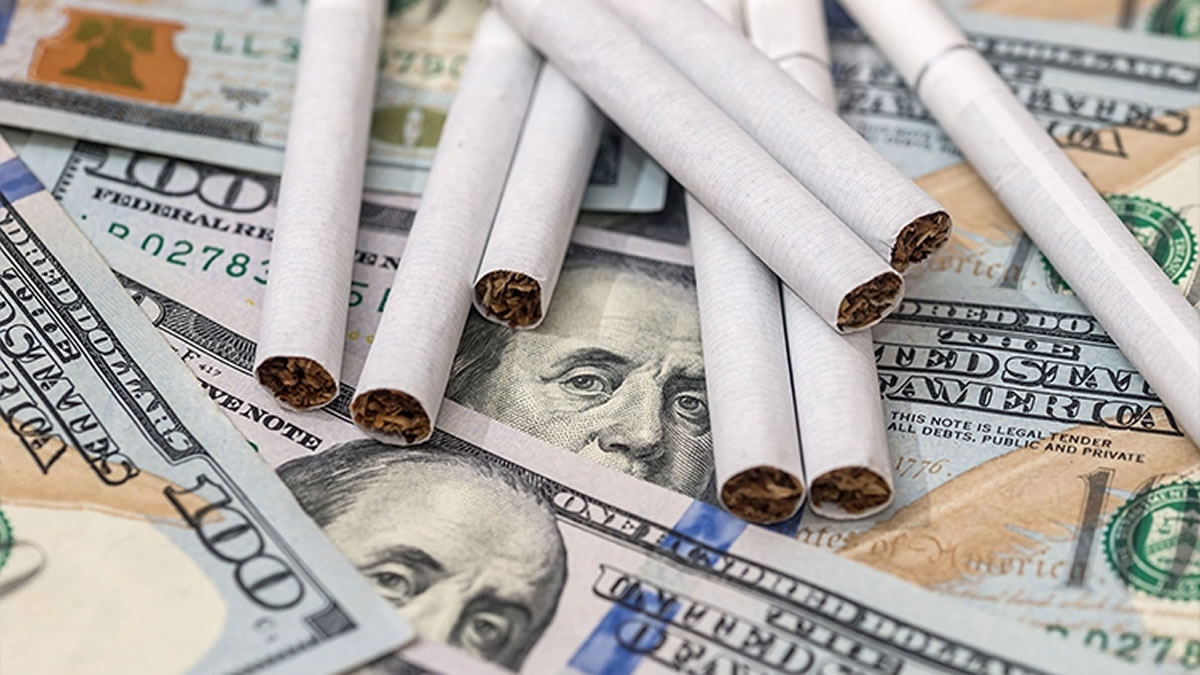
Washington state lawmakers have renewed a legislative push to raise the cigarette tax by $2 per pack, a move that would bring the total tax rate to $5 for a standard pack of 20 cigarettes. After a similar proposal failed last year, Democratic legislators have reintroduced the measure with a focus on funding public health programs and reducing youth addiction. Advocates argue the increase is long overdue, noting that Washington has not raised its cigarette tax in 16 years despite ranking 42nd nationally in tobacco prevention funding.
Key Takeaways
- The Proposal: A $2 per pack tax increase, raising the state rate to $5.
- Health Impact: Research estimates the hike could prevent 5,700 youth from starting and prompt 20,900 adults to quit in year one.
- Funding Gap: Washington currently spends only $3.8 million on prevention, far below the CDC's recommended $63.6 million.
- Industry Opposition: Tobacco companies are expected to fight the bill, arguing it burdens consumers facing inflation.
The Economics of Addiction: Why $2 Matters
The elasticity estimates provided by the Campaign for Tobacco-Free Kids reveals the direct correlation between price and consumption. Heidi Low, Western Region Advocacy Director, cites data showing that a 10% price increase typically reduces youth smoking by 6-7%. By applying this model to Washington's demographics, advocates project that the $2 hike would have immediate public health returns, preventing thousands of premature deaths by making the habit financially unsustainable for price-sensitive groups like teenagers.
The proposal aims to correct a significant funding imbalance. Currently, Washington allocates just $3.8 million to tobacco prevention—an amount Low describes as "abysmal." The new revenue would be directed toward expanding Department of Health initiatives to align with CDC best practices, potentially closing the gap between the state's current spending and the recommended $63.6 million target.
Beyond Cigarettes: The Flavor Battle
While the tax focuses on combustible cigarettes, the broader legislative conversation includes the threat of flavored nicotine products. Low highlights that the tobacco industry spends $25 million daily on marketing, specifically targeting youth and minority communities with "candy and fruit flavored products."
The industry's pivot to high-nicotine pouches and vapes is seen as a strategy to maintain addiction levels as cigarette use fades. Advocates dismiss the "harm reduction" argument for flavors like "berry blast" or "watermelon," asserting that their sole purpose is to attract new, younger users. The legislative goal is to pair the tax hike with continued pressure to end the sale of all flavored tobacco products.
Comparison Matrix: Washington vs. CDC Recommendations
The following table illustrates the stark contrast between Washington's current efforts and federal health standards.
| Metric | Current Washington Status | CDC Recommendation / Goal |
|---|---|---|
| Prevention Funding | $3.8 Million (Rank 42nd) | $63.6 Million |
| Last Tax Hike | 16 Years Ago | Regular increases to match inflation |
| Projected Impact | Stagnant decline | 20,900+ adult quits (Year 1 of tax) |
Will the tax increase pass this time?
While Democratic lawmakers are determined, the outcome depends on overcoming industry lobbying. The argument that the tax burdens consumers during inflation is the primary hurdle, but the 16-year gap since the last increase strengthens the case for modernization.

Vape Lifestyle & Advocacy Blogger
Chloe Evans, widely known as "CloudChaser Chloe," is a prominent voice in the global vaping community, celebrated for her vibrant personality and keen focus on the lifestyle aspects of vaping. Based in the creative hub of Portland, Oregon, Chloe's content blends fashion, art, and harm reduction, offering a fresh perspective on the vaping world. She aims to demystify vaping for adult consumers and challenge outdated perceptions, promoting a responsible and enjoyable experience.