



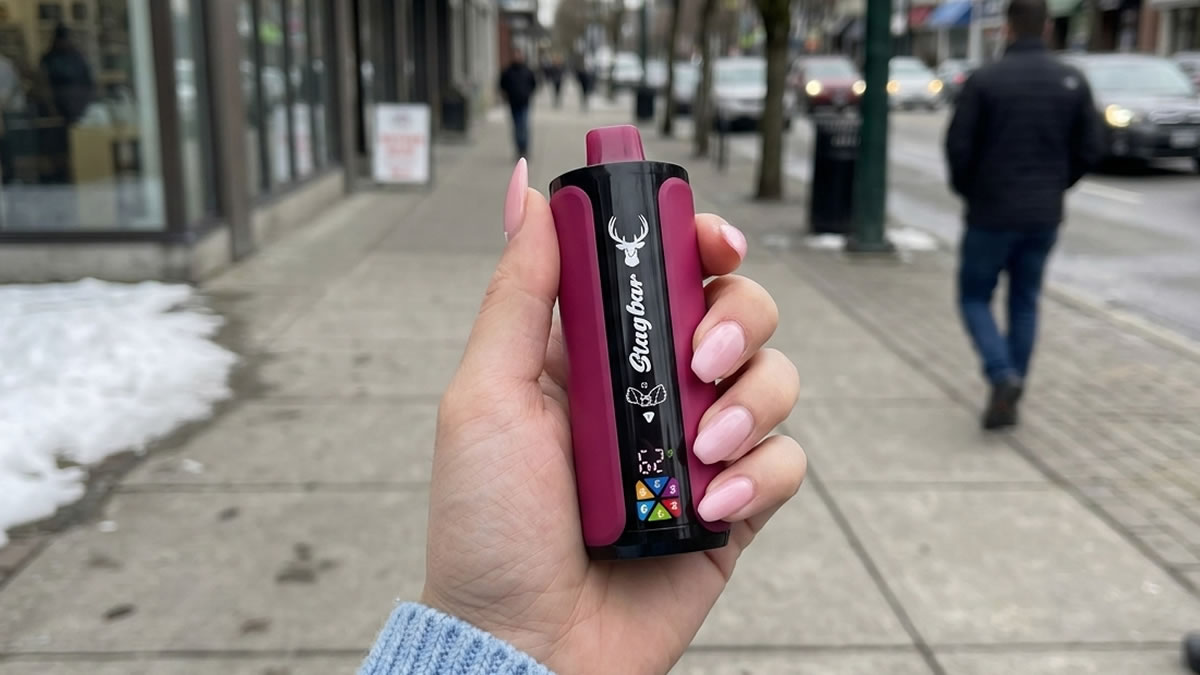
Researchers at Boston Children's Hospital have confirmed that nicotine exposure among vaping adolescents surged in late 2024. This trend, published in JAMA Psychiatry, coincides with the market dominance of high-capacity disposable vapes and high-concentration nicotine salt pods, leaving youth exposed to unprecedented doses of the addictive chemical.
The study, led by Dr. Sharon Levy, chief of addiction medicine at Boston Children's Hospital, analyzed the medical records of over 150 patients aged 13 to 19. Between 2023 and 2025, researchers reviewed more than 1,900 urine drug tests from adolescents treated for substance use disorders. The data revealed an abrupt increase in urine cotinine—a primary metabolite of nicotine—during the latter half of 2024.
| Time Period | Average Urine Cotinine Level (ng/mL) | Primary Device Types Used |
|---|---|---|
| Before October 2024 | 1,062 ng/mL | Standard pod systems |
| By early 2025 | 2,959 ng/mL | High-capacity disposables & nicotine salt pods |
All adolescents with these elevated cotinine levels reported active e-cigarette use.
Why Nicotine Absorption is Surging
Researchers attribute this rapid escalation to the evolution of vaping technology. Newer pod-based systems utilize nicotine salts, which allow for higher concentrations of nicotine without causing harsh throat irritation. Additionally, modern disposable vapes feature larger e-liquid tanks, allowing users to vape longer and consume more.
To make these high doses palatable, manufacturers add cooling agents and sweet flavorings. Dr. Manassa Hany, director of addiction psychiatry at Northwell Health, compared this tactic to adding milk and sugar to bitter coffee. "The cooling agent makes the high concentration of nicotine digestible for users, promoting immediate and heavier consumption," Hany explained.
Long-Term Cognitive Concerns
Pediatricians and addiction specialists are concerned about how these high doses impact the adolescent brain, which continues to develop into a person's mid-20s.
According to the U.S. Food and Drug Administration (FDA), nicotine is highly addictive and alters brain chemistry. Dr. Hany warned that the neurological damage from these high doses may not become apparent for a decade, disrupting critical cognitive functions such as reasoning, attention span, and impulse control.
To combat this trend, health experts advise regulators to impose strict limits on nicotine concentrations in e-cigarettes and restrict the use of cooling agents that facilitate deep inhalation.

Tech Reviewer & Vape Enthusiast
Rohan Sharma is a dynamic and analytical voice in the Indian vaping landscape, blending his passion for technology with a deep understanding of the global vape market. Based in Bangalore, India's tech hub, Rohan leverages his IT background to dissect the intricate details of vaping devices, from chipset performance to coil longevity. His content aims to empower the growing Indian vaping community with precise, data-driven reviews and practical advice.