



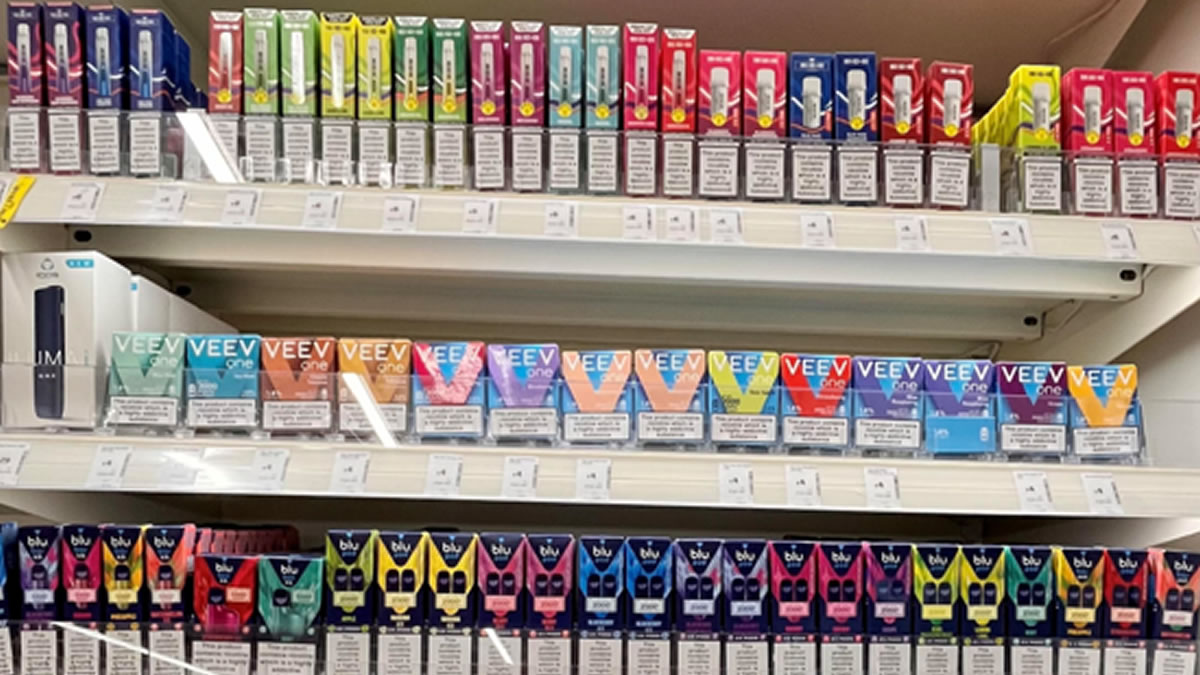
Scotland is enforcing a decisive ban on the sale and supply of single-use vapes starting June 2025, a move coordinated with the UK Government to tackle a dual crisis: escalating youth addiction and rampant electronic waste. Despite their small size, disposable vapes have become one of the UK's fastest-growing e-waste streams, with millions discarded weekly. The legislation targets the inherent design flaw of these products—lithium-ion batteries sealed inside mixed-material plastic casings—which makes them nearly impossible to recycle and a significant environmental hazard.
The Sustainability Imperative:
"A cleaner future will not be built by policy alone. It also depends on consumers recognizing that sustainability begins not just with what we buy, but with what we refuse to throw away."
The Environmental Cost: From Pockets to Pavements
Disposable vapes represent a failure of circular design. Each unit contains valuable circuitry and lithium-ion batteries—the same technology powering laptops—locked inside a disposable shell. Because they are constructed from mixed materials that can leak chemicals, they are exceptionally difficult to process in standard recycling facilities. The ban aims to eliminate this "nuisance" product category that prioritizes convenience over the planet, pushing the market toward reusable alternatives that keep batteries in circulation for years rather than days.
Data Snapshot: Why Youth Are Vaping
The ban also addresses the social contagion of vaping among adolescents. Data published by the Scottish Government in 2025 reveals that social circles are the primary supply chain for minors.
| Motivation / Source | Statistic (2025 Data) |
|---|---|
| Source of First Vape | 74.3% received from a friend or relative. |
| Primary Motivation | Curiosity (Over 33% "just wanted to try"). |
| Peer Influence | 16.4% cited social pressure. |
| Flavor Appeal | 11.7% drawn by colorful flavors. |
The Shift to Reusables: A Consumer Guide
The legislation does not aim to eliminate harm-reduction tools but to realign them with Scotland's environmental goals. Vaping sits in a "grey area" of sustainability, relying on resource-intensive extraction. However, rechargeable devices significantly mitigate this impact. The ban serves as a correction mechanism, steering consumers toward products that fit a circular economy.
For consumers, the transition requires a behavioral shift:
- Switch to Refillables: Choose devices that allow for battery recharging and liquid refilling.
- Responsible Disposal: Utilize take-back schemes rather than general waste bins.
- Support Longevity: Buy from brands that design for repairability rather than obsolescence.
Future Outlook: Tobacco-Free by 2034
This ban is a critical component of Scotland's broader tobacco and vaping framework. The ultimate vision is to create a "tobacco-free" generation by 2034, defined as reducing smoking rates to below 5% across the population. By removing the most accessible and environmentally damaging entry point for nicotine—the disposable vape—Scotland aims to protect both public health and its natural landscapes.
Why are disposable vapes being banned in Scotland?
The ban targets two issues: environmental damage and youth addiction. Disposables create massive e-waste due to non-recyclable lithium batteries, and their low cost and colorful designs make them the primary gateway for adolescent nicotine use.
Vape Lifestyle & Advocacy Blogger
Chloe Evans, widely known as "CloudChaser Chloe," is a prominent voice in the global vaping community, celebrated for her vibrant personality and keen focus on the lifestyle aspects of vaping. Based in the creative hub of Portland, Oregon, Chloe's content blends fashion, art, and harm reduction, offering a fresh perspective on the vaping world. She aims to demystify vaping for adult consumers and challenge outdated perceptions, promoting a responsible and enjoyable experience.