




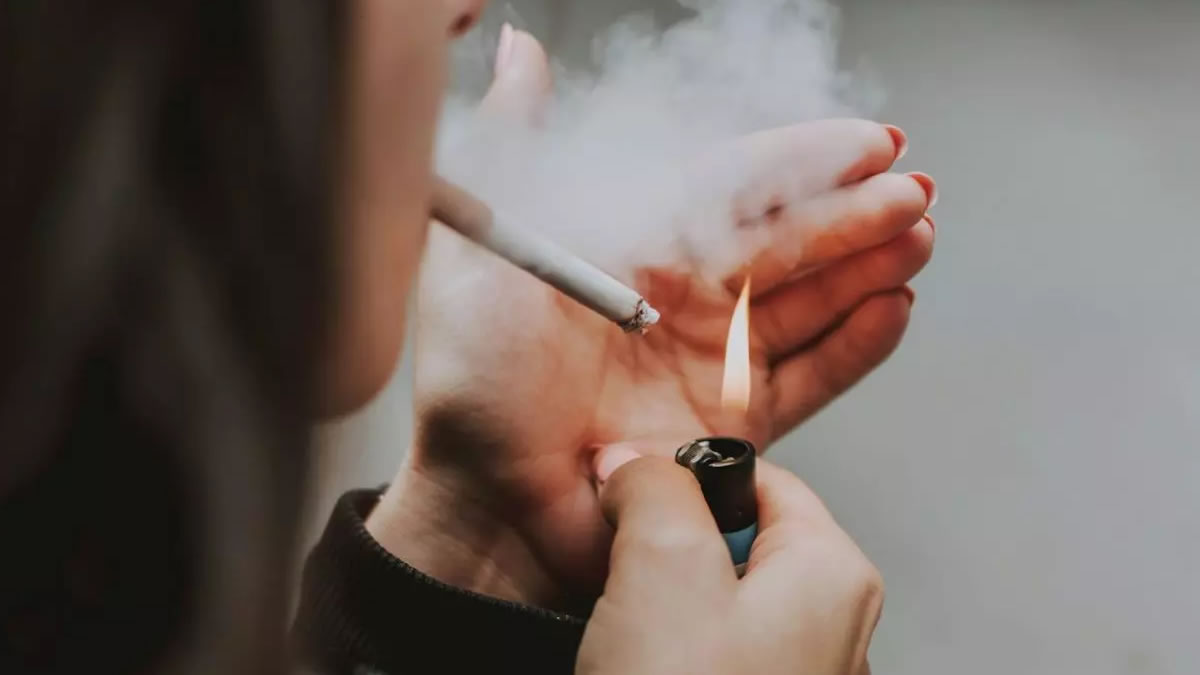
Since its enactment in 2005, Montana's Clean Indoor Air Act has significantly improved public health by ensuring smoke-free environments in workplaces, bars, and restaurants. Over the past two decades, the law has contributed to a drastic reduction in smoking rates among both adults and youth, as well as a substantial decrease in lung cancer cases and deaths. It has also evolved to include modern threats like vaping.
Key Takeaways:
- Smoking Declines: Adult smoking dropped from 19% to 12%; youth smoking fell from 20% to 7%.
- Cancer Reduction: New lung cancer cases are down 40%, and deaths have nearly halved.
- Modern Updates: The law now explicitly bans indoor vaping and marijuana use.
- Worker Safety: Prioritizes the right of employees to breathe clean air over industry concerns.
The Montana Clean Indoor Air Act refers to landmark legislation passed in 2005 that prohibited smoking in enclosed public places and workplaces, fundamentally changing the state's health landscape. As Montana celebrates the 20th anniversary of this law, advocates and lawmakers are reflecting on its profound impact and the importance of maintaining these protections.
From Smoky Bars to Clean Air: A 20-Year Legacy
Before 2005, exposure to secondhand smoke was a routine hazard for many Montanans, particularly those working in the hospitality industry. Bartenders, servers, and cooks were often forced to choose between a paycheck and their respiratory health. The passage of the Act was a bold move, facing initial pushback from the tavern industry over fears of economic ruin—fears that largely did not materialize.
Two decades later, the public health statistics paint a clear picture of success:
| Metric | Pre-Act / Early 2000s | Current Status |
|---|---|---|
| Adult Smoking Rate | 19% | 12% |
| Youth Smoking Rate | 20% | 7% |
| New Lung Cancer Cases | Baseline | Down 40% |
| Lung Cancer Deaths | Baseline | Nearly cut in half |
Adapting to New Threats: Vaping and Marijuana
The law has not remained static. Recognizing the emergence of new technologies and substances, Montana lawmakers have updated the definition of "smoking" to ensure continued protection. Most recently, Senate Bill 390 in 2025 clarified that the ban includes electronic smoking devices (vapes) and marijuana.
Katharine Sutphen of the American Cancer Society Cancer Action Network notes that while younger generations may take smoke-free environments for granted, vigilance is required to prevent legislative rollbacks. The next 20 years are crucial for preserving the clean air standards that have saved lives and improved worker safety across the state.

