



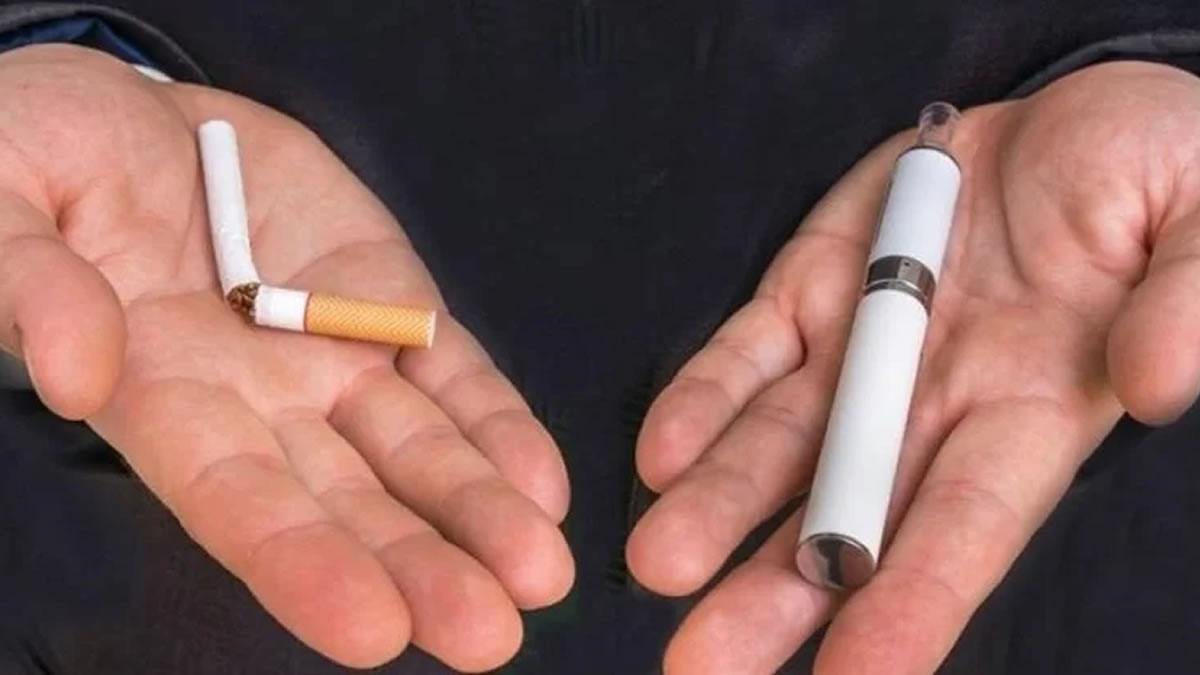
The Mexican Chamber of Deputies has approved sweeping reforms to the General Health Law, enacting a comprehensive ban on electronic cigarettes, vapes, and similar devices. The legislation, passed with 324 votes in favor, stems from an initiative by President Claudia Sheinbaum Pardo and aims to combat emerging health risks associated with these products.
The new law explicitly prohibits the acquisition, production, manufacturing, distribution, importation, exportation, sale, and commercial transport of e-cigarettes and vapes throughout Mexico. It defines these devices broadly as any mechanical or electronic system used to heat, vaporize, or atomize toxic substances (with or without nicotine) for inhalation. Furthermore, all forms of advertising and promotion for these products across any media platform are strictly banned.
Recognizing vaping as a significant public health threat, the legislation introduces severe penalties for violations. Individuals engaging in any prohibited activities related to these devices face prison sentences ranging from one to eight years and substantial fines equivalent to 100 to 2,000 times the daily value of the Measurement and Update Unit (UMA). Health authorities are empowered to conduct verifications and seize non-compliant products.
Beyond the vape ban, the reforms also strengthen the state's role in public health management. This includes coordinating the National Health System, planning infrastructure and high-tech medical equipment needs, and promoting digital health initiatives like telemedicine. The law also establishes new oversight for bioethics committees and the regulation of medical supplies, reinforcing the government's commitment to universal health access and safety.

Vape Lifestyle & Advocacy Blogger
Chloe Evans, widely known as "CloudChaser Chloe," is a prominent voice in the global vaping community, celebrated for her vibrant personality and keen focus on the lifestyle aspects of vaping. Based in the creative hub of Portland, Oregon, Chloe's content blends fashion, art, and harm reduction, offering a fresh perspective on the vaping world. She aims to demystify vaping for adult consumers and challenge outdated perceptions, promoting a responsible and enjoyable experience.