



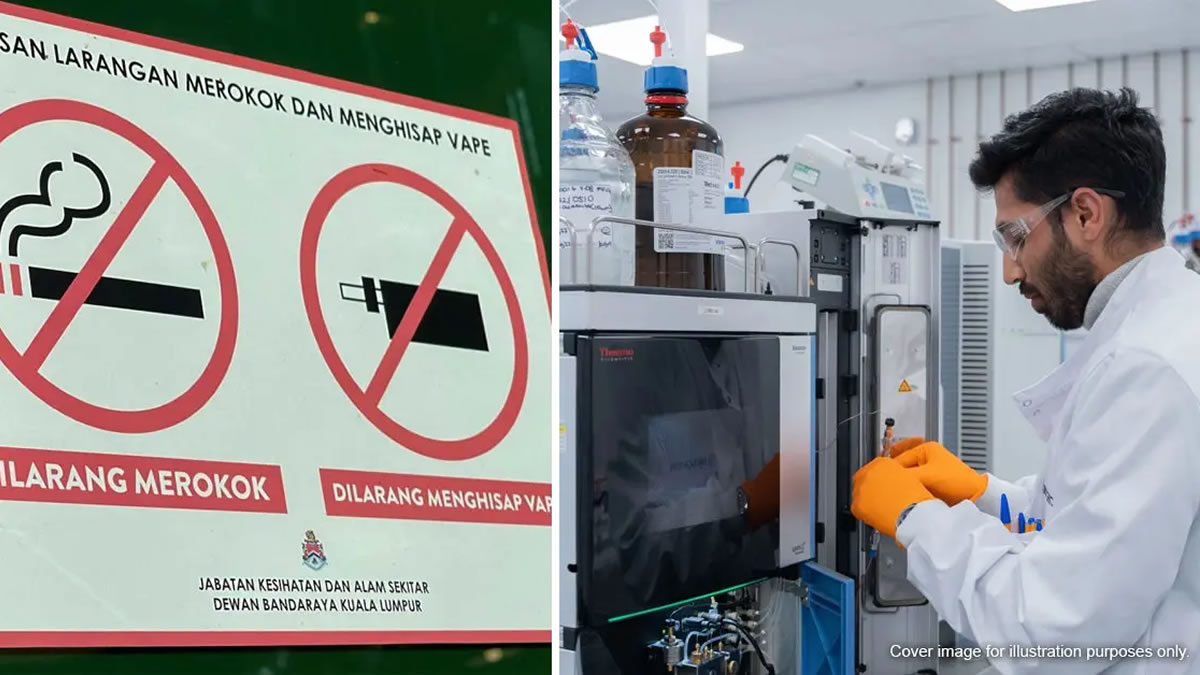
While the Malaysian government considers a total vape ban to protect youth, health experts like Dr. Rashidi Mohamed warn this could backfire by fueling black markets and pushing adult vapers back to smoking. Instead, a "sweet spot" of strict regulation—banning disposables and open systems while allowing closed systems for adults—is advocated as a pragmatic harm reduction strategy.
Key Takeaways:
- Youth Surge: Adolescent vaping rose to 14.9% in 2022, driving calls for stricter control.
- Black Market Risk: Total bans in neighbors like Thailand have failed to stop illicit sales.
- Harm Reduction: Vaping is viewed as less harmful than smoking for adults trying to quit.
- Policy Proposal: Experts suggest banning single-use vapes but regulating closed systems.
Tobacco harm reduction refers to public health strategies that aim to minimize the negative health impacts of smoking by providing safer alternatives, such as e-cigarettes, rather than demanding immediate and total abstinence. As Malaysia debates a potential vape ban by 2026, finding the balance between protecting youth and helping smokers quit is critical.
The Data: Shifting Trends in Smoking and Vaping
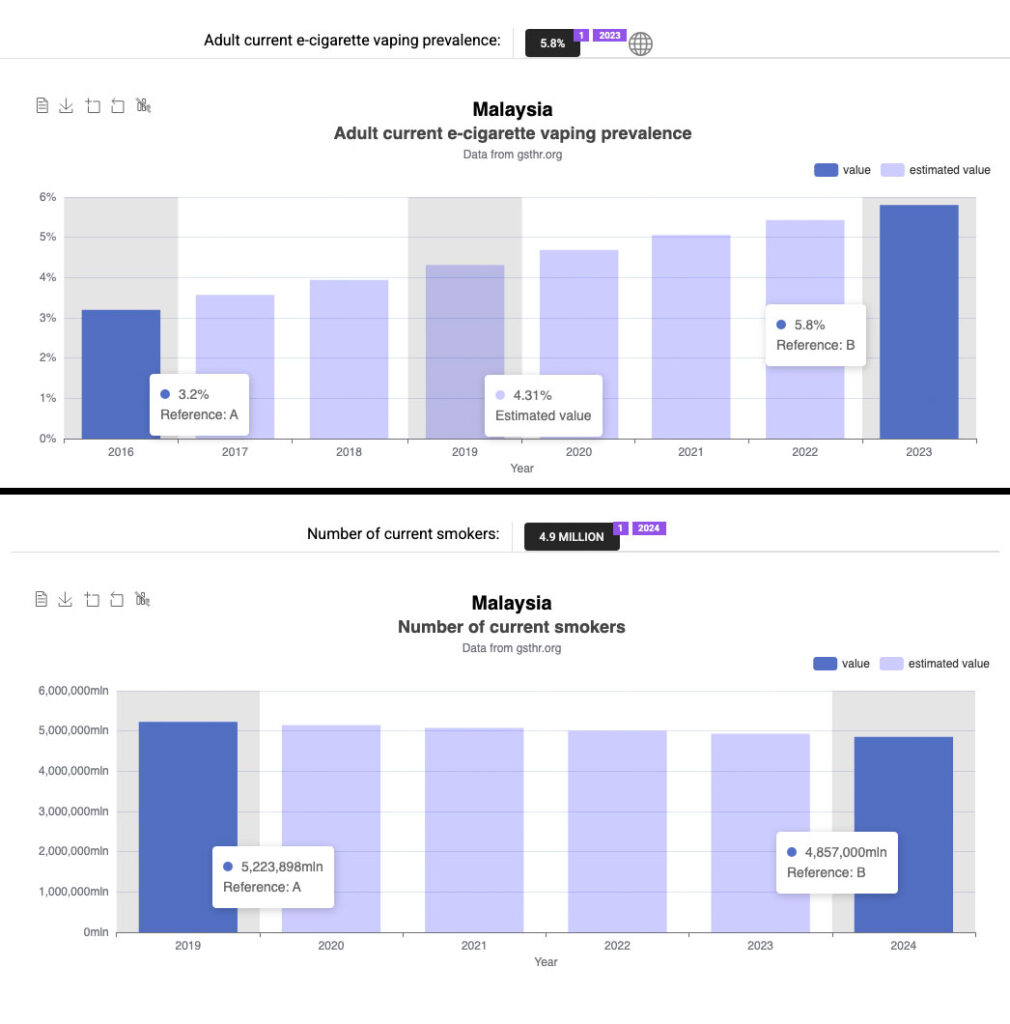
Malaysia is witnessing a distinct shift in nicotine consumption. While adult smoking rates are slowly declining, youth vaping is on a concerning upward trajectory.
| Demographic | Trend (2017-2023) | Key Statistic |
|---|---|---|
| Adult Smokers | Declining | Dropped to 4.8 million (19.5%) in 2023. |
| Adult Vapers | Increasing | Rose from 4.31% (2019) to 5.8% (2023). |
| Youth Smokers | Declining | Fell from 13.8% (2017) to 11.5% (2022). |
| Youth Vapers | Surging | Jumped from 9.8% (2017) to 14.9% (2022). |
The "Double-Edged Sword" of a Blanket Ban
Dr. Rashidi Mohamed Pakri Mohamed, a smoking cessation practitioner, warns that a total ban could have unintended negative consequences. He argues that while the intention to protect youth is valid, the execution must be pragmatic.
- Risk of Reversion: Adult smokers who have switched to vaping may return to more harmful combustible cigarettes if legal vapes are removed.
- Illicit Markets: Bans often drive demand underground. Dr. Rashidi cites Singapore and Thailand as examples where strict bans exist, yet black markets remain "rampant" and unregulated.
- Safety Hazards: Illegal vapes are often laced with dangerous substances, including synthetic drugs, posing a greater risk than regulated products.
Proposed Regulatory Solutions: The "Lesser Devil"
Instead of an outright ban, Dr. Rashidi suggests a targeted regulatory framework to curb youth access while preserving cessation tools for adults.
- Ban Single-Use Disposables: These cheap, colorful devices are the primary driver of youth uptake and should be prohibited.
- Prohibit Open Systems: Open pods allow users to mix their own liquids, increasing the risk of lacing. Banning them improves safety.
- Allow Regulated Closed Systems: Permit tamper-proof, closed-system devices sold strictly to adults aged 21+ under tight supervision.
- Implement Two-Tiered Taxation: Tax vapes enough to make them unaffordable for youth, but keep them slightly cheaper than cigarettes to encourage adult switching.
Conclusion: Enforcement is Key
Ultimately, Dr. Rashidi emphasizes that "nicotine addiction is not a lifestyle issue — it's a behavioral problem." The goal remains complete cessation. However, he argues that without better enforcement, even the strongest policies will fail. Malaysia must choose a path that minimizes harm effectively rather than relying on a ban that may only exist on paper.

Tech Reviewer & Vape Enthusiast
Rohan Sharma is a dynamic and analytical voice in the Indian vaping landscape, blending his passion for technology with a deep understanding of the global vape market. Based in Bangalore, India's tech hub, Rohan leverages his IT background to dissect the intricate details of vaping devices, from chipset performance to coil longevity. His content aims to empower the growing Indian vaping community with precise, data-driven reviews and practical advice.