



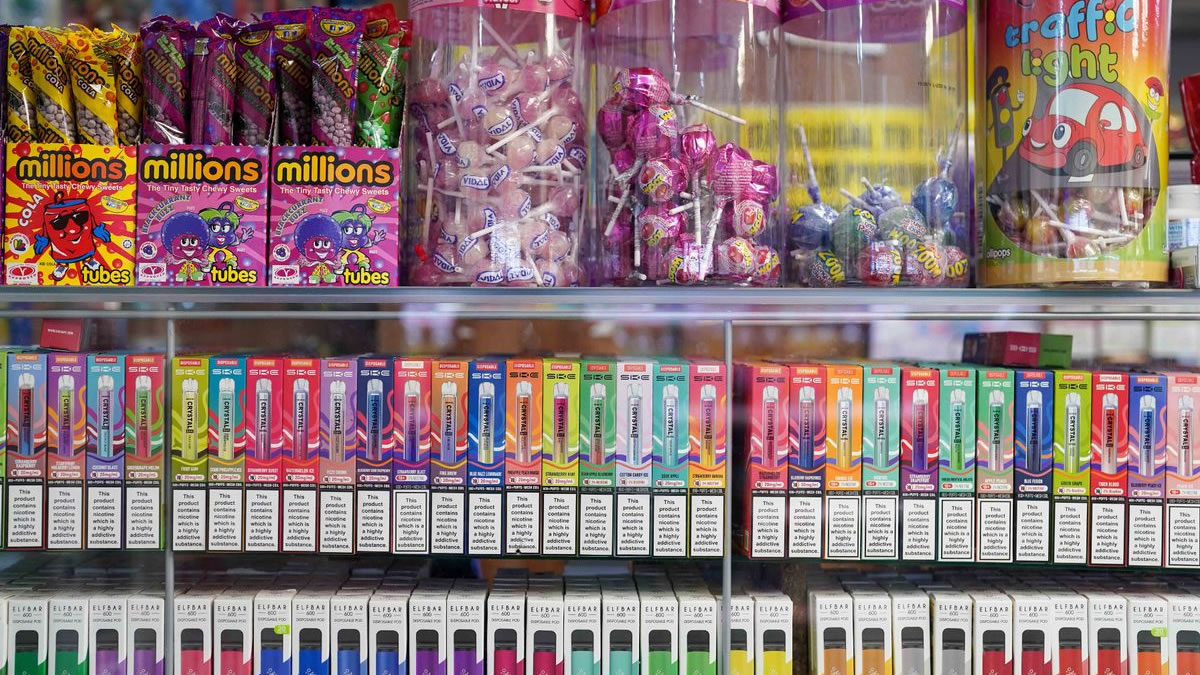
New vape licensing laws in Kentucky, effective January 1, 2026, are forcing some retailers to close locations and move to Indiana due to increased costs and regulatory burdens. The law requires a $500 license, random inspections, and restricts sales to FDA-approved products, which business owners argue creates a monopoly and limits consumer choice.
Key Takeaways:
- New License: Retailers must pay $500 annually to sell nicotine/vape products.
- Strict Rules: Random inspections and fines enforce the 21+ age limit.
- Product Limits: Sales are restricted to FDA-approved items, limiting variety.
- Business Impact: Some shops are closing in KY and relocating to Indiana.
Vape licensing regulations refer to state-mandated permits and rules for selling nicotine products, designed to curb underage access but often creating significant operational challenges for retailers. In Kentucky, a new law effective January 1, 2026, has introduced a $500 annual license fee and stricter oversight, sparking debate between public health advocates and business owners.
Stricter Regulations Drive Businesses Across State Lines
The new regulations require all retailers of tobacco, nicotine, and vape products to obtain a license and submit to random annual inspections. Fines for selling to individuals under 21 can reach hundreds of dollars. While advocates like 16-year-old Ksenia Miller argue these measures are vital for protecting Kentucky's youth, business owners are feeling the squeeze.
Troy LeBlanc, owner of Derb E-Cigs, describes Kentucky as "the hardest place for us to do business" out of 58 countries. Consequently, he has closed three rural Kentucky locations, including one in Mount Washington, and opened three new stores in Indiana. LeBlanc cites the burdensome paperwork required to sell products pending FDA approval—filing documentation flavor-by-flavor—as a primary reason for the move.
FDA Approval Requirement Sparks "Monopoly" Concerns
A contentious provision of the law limits sales to FDA-approved products. Currently, only four major companies—JUUL, Logic, NJOY, and R.J. Reynolds—meet this criteria. LeBlanc argues this creates a monopoly and eliminates options like zero-nicotine juices that help smokers quit. "We are not here to get people addicted to vaping, we're here to get people to quit smoking," he stated.
Despite the new requirements, the Kentucky Retail Federation reports that approximately 3,000 stores have yet to apply for the license, highlighting a significant gap in compliance as the law takes effect.
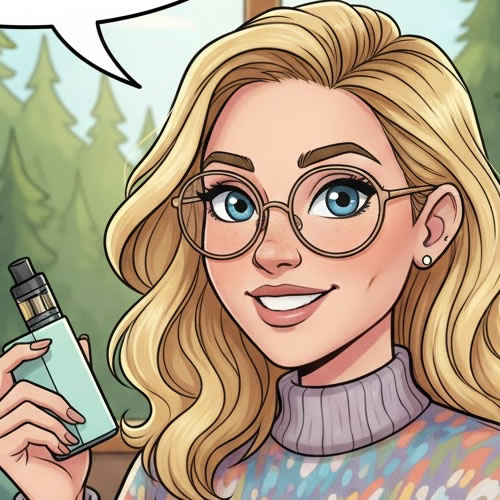
Vape Lifestyle & Advocacy Blogger
Chloe Evans, widely known as "CloudChaser Chloe," is a prominent voice in the global vaping community, celebrated for her vibrant personality and keen focus on the lifestyle aspects of vaping. Based in the creative hub of Portland, Oregon, Chloe's content blends fashion, art, and harm reduction, offering a fresh perspective on the vaping world. She aims to demystify vaping for adult consumers and challenge outdated perceptions, promoting a responsible and enjoyable experience.