



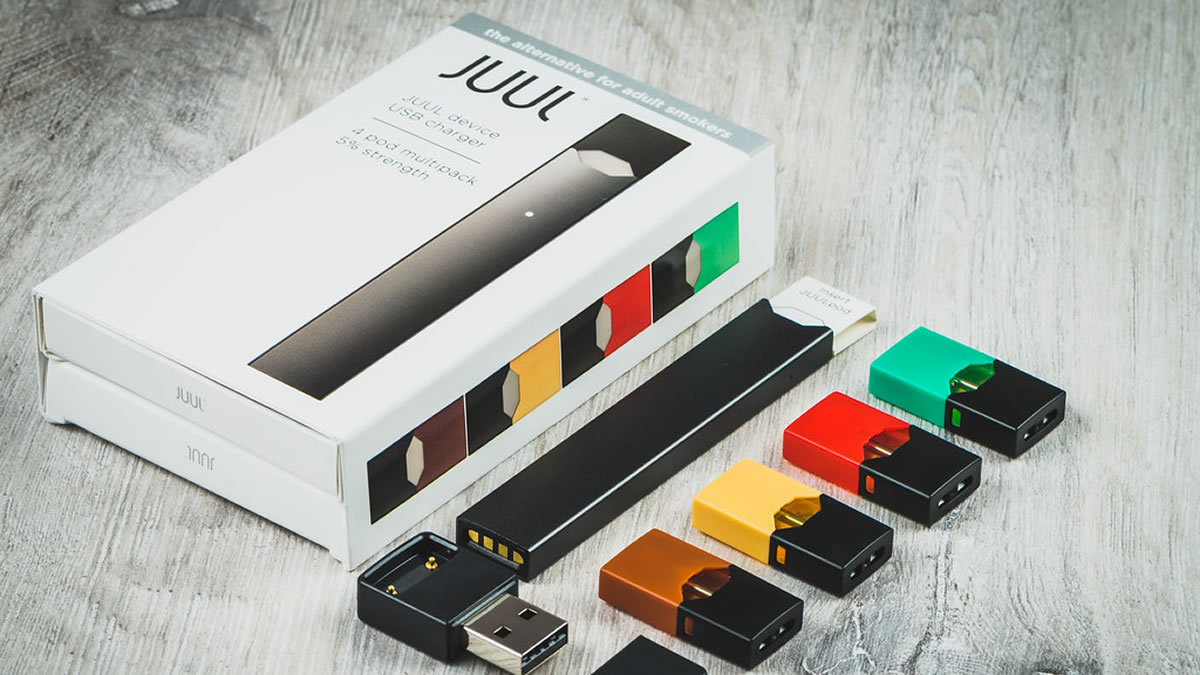
The FDA is proposing new guidelines to authorize non-tobacco e-cigarette flavors like mint, coffee, and spices, aiming to offer adult smokers more alternatives while keeping youth-appealing fruit and candy flavors off the market. This shift reflects a strategic balance between harm reduction for adults and preventing youth initiation.
The U.S. Food and Drug Administration (FDA) is signaling a significant shift in its approach to vaping regulation. In a new guidance document released Monday, the agency announced it is opening the door to authorizing e-cigarettes in flavors beyond just tobacco and menthol. The proposal specifically mentions flavors such as mint, coffee, tea, and spices (like clove or cinnamon) as potentially acceptable. This marks a departure from the strict limitations that have characterized the agency's stance since the youth vaping "epidemic" declared in 2019.
However, the door is not wide open. The FDA explicitly stated it will continue to reject applications for fruit, candy, and dessert-flavored products, which data consistently shows are the primary drivers of youth usage. The goal is to thread a regulatory needle: providing adult smokers with palatable alternatives to combustible cigarettes while maintaining a firewall against flavors that attract teenagers.
A Strategic Pivot in Tobacco Control
This policy adjustment arrives during a politically charged period. The Trump administration has previously viewed vaping as a key issue for voters who prioritize personal freedom and deregulation. President Trump’s campaign promise to "save vaping again" resonates with a segment of the electorate that feels alienated by strict prohibitions. By broadening the category of permissible flavors to include "adult-oriented" profiles like coffee and spice, the FDA appears to be seeking a middle ground that appeases adult consumers and industry stakeholders without alienating public health advocates entirely.
Dr. Marty Makary, the FDA Commissioner, has been navigating this complex landscape for months. His challenge has been to align the agency's scientific mandate—protecting public health under the 2009 Tobacco Control Act—with the administration's broader goals of reducing regulatory burdens. The new guidance suggests a belief that flavors like mint or tea offer a "safer nicotine alternative" for adults trying to quit smoking, without carrying the same inherent risk of hooking a new generation of users as "Gummy Bear" or "Cotton Candy" profiles do.
Industry and Public Health Reactions
The reaction to the proposal has been mixed. Mitch Zeller, a former FDA tobacco official, noted that the industry might be disappointed if they expected a full reopening of the flavor market. "If I was the e-cigarette industry and I was expecting that this was going to be a new day for the agency’s consideration of candy and fruit and dessert flavored e-cigarettes, I would be disappointed," Zeller observed.
Public health groups remain skeptical. Organizations like Action on Smoking & Health argue that any expansion of flavors is a dangerous gamble. "Allowing any flavors on the market benefits only corporations and harms public health," stated managing attorney Kelsey Romeo-Stuppy. The American Lung Association echoed these concerns, warning that tobacco companies have a history of rebranding products to skirt regulations, similar to the "light" and "low tar" strategies of the past.
Conversely, major industry players like Reynolds American, which markets the Vuse brand, voiced support for the move. Spokesman Luis Pinto emphasized the company's commitment to "safer nicotine alternatives" that facilitate the migration of adult smokers away from combustible cigarettes. This aligns with the harm reduction philosophy that views vaping as a critical tool for smoking cessation.
The Reality of the Marketplace
While the FDA debates authorized flavors, the reality on the ground is starkly different. The U.S. market is currently flooded with illicit, unauthorized disposable vapes, primarily from Chinese manufacturers. These products, often disguised as school supplies or tech gadgets, come in the very fruit and candy flavors the FDA prohibits. Industry estimates suggest these illicit products now command nearly 70% of the market share, bypassing the regulatory system entirely.
The FDA's new "enforcement discretion" policy will face the difficult task of operationalizing these flavor distinctions. As Adam Leventhal, a public health scientist at the University of Southern California, pointed out, drawing the line is complicated. "How do you operationalize what is a coffee flavor versus mocha Frappuccino flavor?" he asked. The fear is that "adult" flavors like mint or coffee could still possess significant crossover appeal to youth, undermining the policy's protective intent.
Ultimately, this proposal represents the FDA's latest attempt to manage a rapidly evolving marketplace where consumer demand, technological innovation, and public health imperatives are in constant tension. Whether this new "middle path" can successfully reduce smoking rates without reigniting youth vaping remains the critical question for regulators and the industry alike.

Tech Reviewer & Vape Enthusiast
Rohan Sharma is a dynamic and analytical voice in the Indian vaping landscape, blending his passion for technology with a deep understanding of the global vape market. Based in Bangalore, India's tech hub, Rohan leverages his IT background to dissect the intricate details of vaping devices, from chipset performance to coil longevity. His content aims to empower the growing Indian vaping community with precise, data-driven reviews and practical advice.