



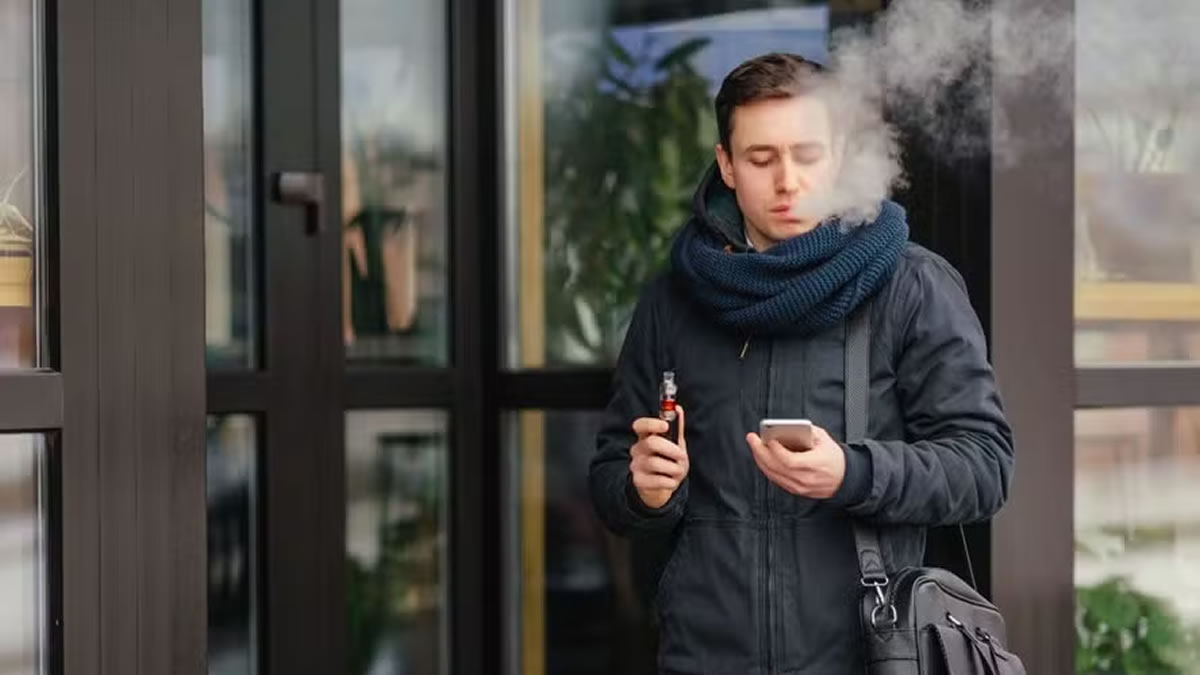
After more than a decade of continuous decline in tobacco use, Brazil is witnessing a concerning reversal as the number of smokers begins to rise again. Recent data from the Ministry of Health indicates an upward trend, particularly among younger demographics, which directly coincides with the surging popularity of electronic cigarettes and vapes. This shift has raised alarms among researchers and health professionals who fear it could compromise the country's historically robust anti-smoking policies.
Brazil, long recognized as a global leader in tobacco control, now faces new challenges posed by electronic devices. Pulmonologist Ernando Sousa warns that the technological appeal and sleek design of vapes encourage experimentation and dangerously reduce the perception of harm among youth who might otherwise have avoided traditional cigarettes. "Consumption has become more frequent throughout the day, which intensifies the risk of dependence. It's a pattern we previously saw mainly in long-term smokers," Sousa explained, noting an increase in young patients showing signs of nicotine dependence.
Studies support these concerns. Research published in JAMA highlights a consistent increase in e-cigarette use among students, driven by products combining high nicotine concentrations with youth-oriented flavorings. Furthermore, scientific literature has documented severe lung injuries associated with vaping, including cases of EVALI (e-cigarette or vaping use-associated lung injury), justifying the need for urgent preventive action.
Sousa believes Brazil is at a critical turning point. He advocates for immediate measures specifically targeting electronic devices, including clearer regulatory policies, rigorous oversight of sales, and educational campaigns aimed at young people. Without such interventions, experts predict the number of users will continue to grow, threatening to unravel the significant public health advances Brazil has achieved in combating tobacco addiction.

Vape Lifestyle & Advocacy Blogger
Chloe Evans, widely known as "CloudChaser Chloe," is a prominent voice in the global vaping community, celebrated for her vibrant personality and keen focus on the lifestyle aspects of vaping. Based in the creative hub of Portland, Oregon, Chloe's content blends fashion, art, and harm reduction, offering a fresh perspective on the vaping world. She aims to demystify vaping for adult consumers and challenge outdated perceptions, promoting a responsible and enjoyable experience.