



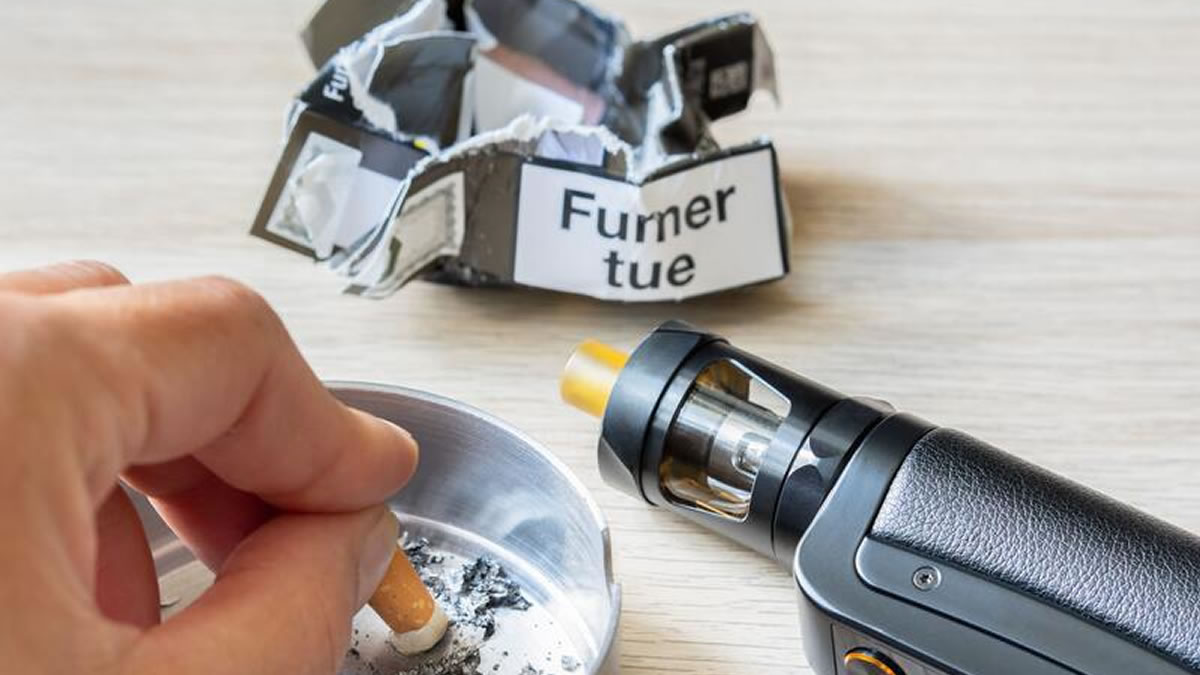
For over a decade, the electronic cigarette has been a prominent fixture in the French landscape, widely touted as a cleaner, combustion-free alternative to traditional tobacco. The logic seemed sound: replace toxic smoke with vapor to aid quitting. However, new data from the Public Health France 2024 Barometer, published in late 2025, paints a far more nuanced and perhaps concerning picture. It reveals that for many, vaping hasn't replaced smoking but has instead become an addition to it.
The report indicates that approximately 6.1% of adults in France vape daily. Yet, a striking 47.7% of these daily vapers also report continuing to smoke tobacco. This phenomenon of "dual use" challenges the simplistic narrative that e-cigarettes are a direct off-ramp from smoking. The data shows that 98% of vapers are current or former smokers, meaning vaping almost always follows a pre-existing smoking habit. But for nearly half of daily users, it fails to completely displace the cigarette.
Why Dual Use Persists: Addiction, Habit, and Social Cues
Several factors contribute to this persistence of smoking alongside vaping. Primarily, nicotine addiction remains. While e-cigarettes eliminate combustion, they still deliver the addictive substance. For some, vaping helps reduce cigarette intake, but for others, it simply maintains high nicotine dependence across two delivery methods. Users might vape during the workday but light up a traditional cigarette in the evening or during stressful moments.
Beyond chemical addiction, the weight of habit and social context plays a crucial role. Smoking is often tied to rituals and social markers—a drink on a terrace, a break with colleagues—that vaping sometimes struggles to replace symbolically. Consequently, the traditional cigarette retains a "special place" in specific situations.
There is also a potential misconception regarding risk. Some users may view alternating between vaping and smoking as an acceptable "compromise" to mitigate harm. However, health authorities warn that reducing cigarette consumption does not eliminate toxicity. Cardiovascular and cancer risks associated with tobacco persist as long as exposure continues, meaning dual use limits the expected health benefits of switching.
Public Health Stance: A Tool, Not a Cure-All
The French High Authority for Health and Public Health France maintains a cautious stance. They emphasize that while e-cigarettes can aid some smokers in quitting—especially those who haven't succeeded with other methods—they are not medicinal products with therapeutic marketing authorization like patches or gums. Without proper guidance, the risk of falling into dual use is high. They stress that vaping can be part of a cessation approach but is often insufficient on its own to guarantee stopping smoking.
Despite these complexities, daily smoking in France is declining, reaching 23.1% in 2023, down from over 30% in the early 2000s. This progress is undeniable but fragile, with tobacco still causing approximately 75,000 preventable deaths annually. To support complete cessation, France continues to reimburse nicotine replacement therapies (patches, gums, etc.) at 65% through health insurance, highlighting the continued need for diversified and supported quitting strategies.

Vape Lifestyle & Advocacy Blogger
Chloe Evans, widely known as "CloudChaser Chloe," is a prominent voice in the global vaping community, celebrated for her vibrant personality and keen focus on the lifestyle aspects of vaping. Based in the creative hub of Portland, Oregon, Chloe's content blends fashion, art, and harm reduction, offering a fresh perspective on the vaping world. She aims to demystify vaping for adult consumers and challenge outdated perceptions, promoting a responsible and enjoyable experience.