



In the span of just a few decades, vaping has transformed from a niche technological curiosity into a global phenomenon, reshaping industries, public health debates, and even our daily vocabulary. While the devices themselves—from early cigalikes to modern pod systems—are often the focus of discussion, the word "vape" itself tells a fascinating story. It’s a term that has transcended its simple etymological roots to become a symbol of a modern lifestyle, a marker of identity, and a linguistic necessity born from technological innovation. But where did it come from, and why did it stick? The answer lies at the intersection of language, technology, and the human need to define new experiences.
From Smoke to Vapor: The Scientific Necessity
To understand the word "vape," we must first look at the fundamental difference between traditional cigarettes and electronic nicotine delivery systems (ENDS). For centuries, nicotine consumption was inextricably linked to combustion. You lit a cigarette, tobacco burned, and you inhaled smoke. The terminology was simple and accurate: you were smoking.
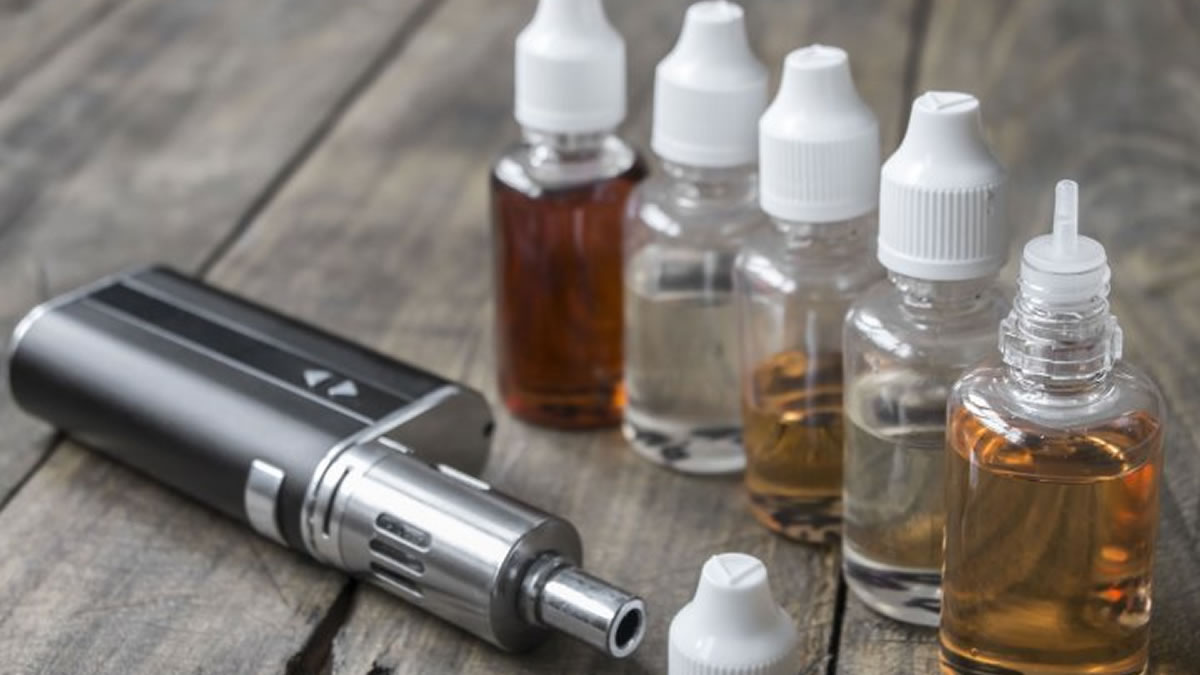
However, the invention of the modern e-cigarette disrupted this paradigm. These devices do not burn anything. Instead, they use a battery to power a heating element (a coil) that warms a liquid solution (e-liquid or vape juice) until it reaches its boiling point. The result is not smoke, which is a collection of solid particles and gases resulting from burning, but an aerosol—a suspension of fine liquid droplets in a gas. In common parlance, this aerosol is referred to as "vapor."
This distinction is not merely semantic; it is chemical and physical. Smoke contains thousands of chemicals, many created by the burning process itself (tar, carbon monoxide). Vapor, by contrast, is chemically simpler, primarily consisting of the ingredients found in the e-liquid (propylene glycol, vegetable glycerin, flavorings, and nicotine). The term "vape" is a direct derivation, a shortening of "vapor" or "vaporize." It was a linguistic necessity. Using the word "smoking" to describe the act was scientifically inaccurate and failed to capture the cleaner, combustion-free nature of the process. "Vaping" emerged as the perfect descriptor: concise, accurate, and clearly distinct from its predecessor.
A New Word for a New Habit: The Early 2000s
While the concept of a smokeless cigarette dates back to patents in the 1960s (notably by Herbert A. Gilbert), the term "vape" didn't enter the mainstream lexicon until the commercialization of the modern e-cigarette, credited to Hon Lik in the early 2000s. As these devices began to trickle into markets in Europe and the United States, early adopters found themselves in a linguistic gray area. They weren't smokers, but there was no widely accepted verb for what they were doing.
The community itself—often congregating in online forums and early tech blogs—began to coalesce around "vaping." It was an organic evolution. It sounded active and modern. It distanced users from the stigma increasingly associated with "smoking" and "smokers." By 2014, the cultural penetration of the word was so significant that Oxford Dictionaries named "vape" its Word of the Year. This was a watershed moment, signaling that vaping had moved beyond a fad and established itself as a permanent fixture in the English language. The definition was solidified: "to inhale and exhale the vapor produced by an electronic cigarette or similar device."
Language Shaped by Technology
The rise of vaping is a prime example of how technological innovation acts as a catalyst for language change. Just as the internet gave us "googling," "blogging," and "tweeting," e-cigarette technology necessitated "vaping." But it didn't stop at a single verb. The technology spawned an entire lexicon, a specialized vocabulary that defined the subculture.
We saw the emergence of terms like:
- Vaper: The person performing the act, distinct from a smoker.
- E-juice / E-liquid: The consumable fluid.
- Mod: Modified devices for enhanced performance.
- Cloud Chasing: The recreational pursuit of blowing large vapor clouds.
- Stealth Vaping: Vaping discreetly to avoid detection.
This specialized language did more than just describe hardware; it helped build a community. It gave users a shared identity. To call oneself a "vaper" was to align with a group that viewed itself as forward-thinking, tech-savvy, and often, health-conscious in their choice to move away from combustible tobacco. It created an "in-group" dynamic that is common in emerging tech cultures.
More Than Just a Name: A Shift in Perception
The choice to use "vape" over "e-smoke" or similar alternatives was a powerful branding and psychological tool, whether intentional or not. "Smoking" carries decades of baggage—health warnings, social exclusion, and the smell of stale tobacco. "Vaping," on the other hand, sounded fresh, clean, and futuristic.
This linguistic separation allowed the industry to position itself as a harm-reduction tool. It allowed users to tell their friends and family, "I'm not smoking anymore; I'm vaping." That simple sentence carried a weight of progress and improvement. It emphasized the absence of smoke, tar, and ash. It aligned with the sleek, metallic aesthetics of the devices, which looked more like MP3 players or USB drives than cigarettes.
Furthermore, the word allowed for the expansion of the practice beyond just nicotine replacement. "Vaping" could apply to nicotine-free liquids, CBD, or simply the enjoyment of flavors. It became a broad umbrella term for a diverse range of activities and motivations, from the ex-smoker seeking a lifeline to the hobbyist tinkering with coils and wattages.
Conclusion: The Legacy of a Word
So, why do we call it "vape"? On the surface, it is a simple abbreviation of "vapor," a scientifically accurate description of the aerosol produced by the device. But dig deeper, and it becomes clear that the word is a artifact of a major cultural and technological shift. It represents the moment society needed to distinguish between the old, combustible way of consuming nicotine and a new, electronic alternative.
The word "vape" stands as a testament to innovation's power to reshape our habits and our language. It is a marker of distinction, a badge of community, and a symbol of the transition from the analog era of smoking to the digital age of nicotine consumption. As the technology continues to evolve, the word will likely persist, reminding us of how a simple change in state—from solid to vapor—can change the world.

Vape Lifestyle & Advocacy Blogger
Chloe Evans, widely known as "CloudChaser Chloe," is a prominent voice in the global vaping community, celebrated for her vibrant personality and keen focus on the lifestyle aspects of vaping. Based in the creative hub of Portland, Oregon, Chloe's content blends fashion, art, and harm reduction, offering a fresh perspective on the vaping world. She aims to demystify vaping for adult consumers and challenge outdated perceptions, promoting a responsible and enjoyable experience.