



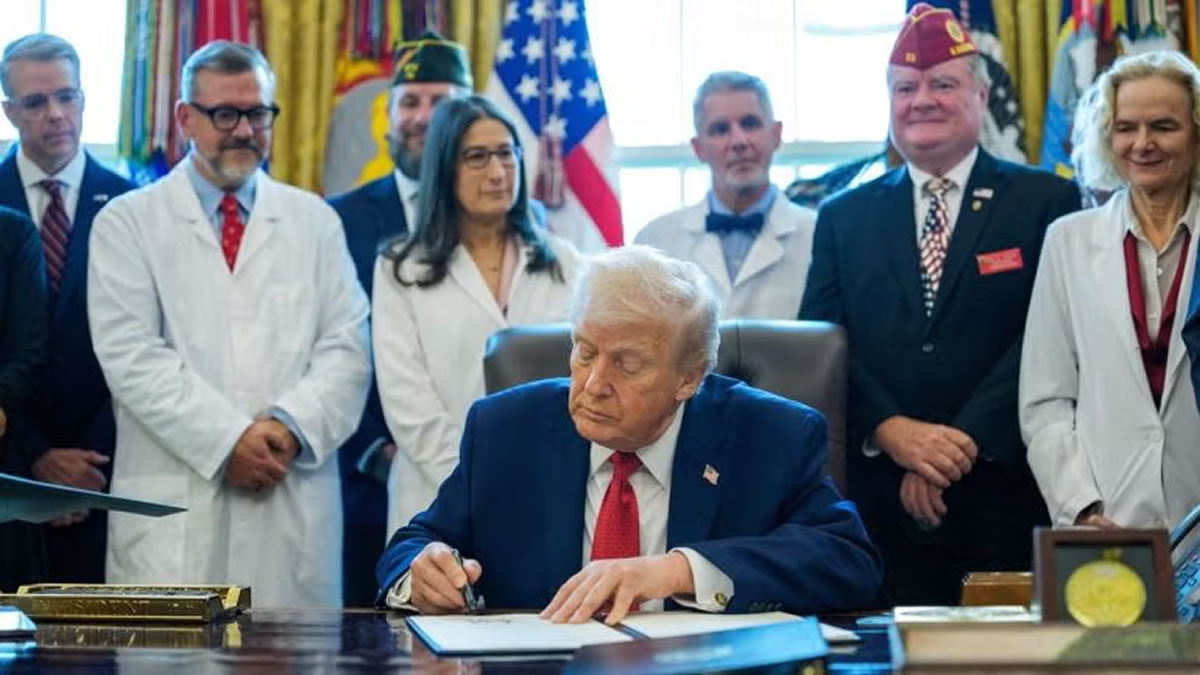
President Donald Trump signed an executive order on December 18, directing the U.S. government to accelerate the reclassification of marijuana from a Schedule I to a Schedule III drug. This significant policy shift aims to align cannabis regulation with substances like painkillers, acknowledging its "legitimate medical uses" while potentially opening new avenues for the CBD and hemp-derived product industries.
Currently, marijuana is classified as Schedule I, alongside heroin, defined as having a high potential for abuse and no accepted medical use. Moving it to Schedule III—a category for drugs with a lower abuse potential and accepted medical applications—would remove major barriers to research. "The Federal Government must improve the research infrastructure for medical marijuana to better serve Americans," Trump stated, emphasizing the need to close the gap between widespread use and scientific knowledge of risks and benefits.
The executive order also specifically addresses hemp-derived cannabinoids, noting their potential to improve symptoms for common ailments. This signals possible growth for the market of CBD and THC-infused food and drink products. Trump has directed his staff to work with Congress to update statutory definitions, aiming to ensure access to "appropriate full-spectrum CBD products" while establishing a regulatory framework that includes THC limits per serving and container.
Industry stakeholders have welcomed the move. The Coalition for Cannabis Scheduling Reform praised the decision as being based on "unassailable scientific evidence," noting benefits such as facilitating medical research and providing tax relief to businesses. Irwin Simon, CEO of Tilray Brands, a major player in cannabis and wellness beverages, called it a "landmark decision" and a "significant catalyst for positive change," viewing it as a critical step toward comprehensive regulation and de-scheduling.
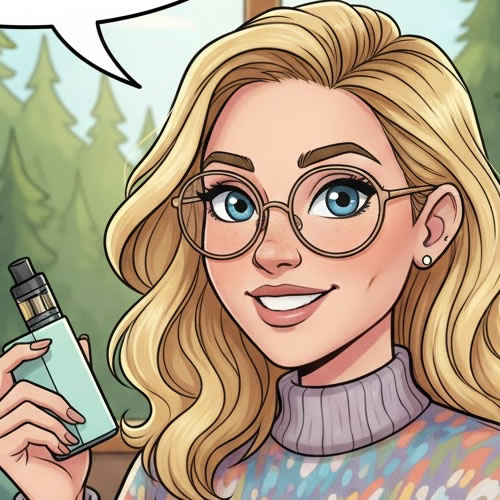
Vape Lifestyle & Advocacy Blogger
Chloe Evans, widely known as "CloudChaser Chloe," is a prominent voice in the global vaping community, celebrated for her vibrant personality and keen focus on the lifestyle aspects of vaping. Based in the creative hub of Portland, Oregon, Chloe's content blends fashion, art, and harm reduction, offering a fresh perspective on the vaping world. She aims to demystify vaping for adult consumers and challenge outdated perceptions, promoting a responsible and enjoyable experience.