



A new provision tucked into Congress's recent spending bill has reignited the debate over legal cannabis, potentially upending the multi-billion dollar hemp industry. The legislation, which ended the government shutdown on November 13, includes language that redefines legal hemp, a move that could effectively outlaw many popular CBD and THCA products currently on the market. This sets the stage for a year-long battle that could determine the fate of thousands of small businesses.
The 2018 Farm Bill originally legalized hemp production by removing it from the Controlled Substances Act, defining it as cannabis with less than 0.3% delta-9 THC by dry weight. This definition created a "loophole" allowing for the proliferation of products containing other cannabinoids like CBD and THCA, which can have psychoactive effects. The new congressional provision seeks to close this by redefining hemp to include all forms of THC, including THCA, within the 0.3% limit. Furthermore, it would prohibit hemp-derived CBD products manufactured for consumption in beverages, edibles, or vapes.
Jonathan Miller, general counsel for the U.S. Hemp Roundtable, warned that if the law goes into effect as written, "the industry is over as we know it." He estimates that more than 95% of all hemp extract products would be banned, potentially eliminating 300,000 jobs and $1.5 billion in tax revenue. "Ninety-five percent of our products would be considered schedule one narcotics, akin to heroin," Miller stated.
However, the legislation includes a 365-day grace period, delaying enforcement until November 13, 2026. This window gives the industry time to lobby for a regulatory framework instead of an outright ban. The provision has divided lawmakers, with Senator Mitch McConnell (R-Ky.) championing the language as a way to protect children and clarify the 2018 Farm Bill's intent. Conversely, Senator Rand Paul (R-Ky.) argued the bill would destroy farmers' livelihoods and override state regulations.
The policy shift creates potential conflicts with states that have already established their own regulatory frameworks for hemp products. Gillian Schauer of the Cannabis Regulators Association noted that implementation will likely vary across states, with many decisions expected in upcoming legislative sessions. As the clock ticks down on the grace period, the future of the $28.4 billion hemp market hangs in the balance.
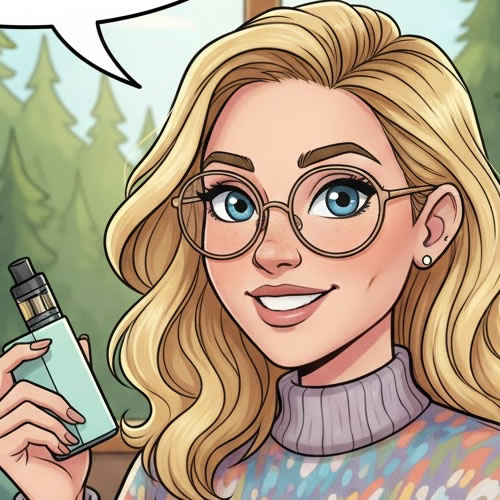
Vape Lifestyle & Advocacy Blogger
Chloe Evans, widely known as "CloudChaser Chloe," is a prominent voice in the global vaping community, celebrated for her vibrant personality and keen focus on the lifestyle aspects of vaping. Based in the creative hub of Portland, Oregon, Chloe's content blends fashion, art, and harm reduction, offering a fresh perspective on the vaping world. She aims to demystify vaping for adult consumers and challenge outdated perceptions, promoting a responsible and enjoyable experience.